Featured
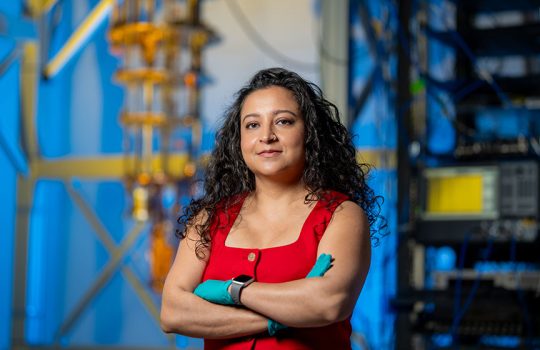
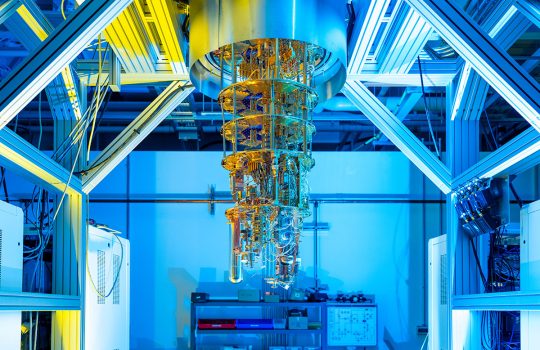
Six years of SQMS: asking what limits quantum systems and building the answers
The founding director provides perspective on the first six years of a DOE National Quantum Information Science Research Center — the Superconducting Quantum Materials and Systems Center, led by Fermi National Accelerator Laboratory.
Recent news


Trending topics
National laboratory and industry leaders to discuss the future of fusion at Fermilab
Leaders from U.S. national laboratories and industry will come together at Fermilab on October 13 to participate in a special public evening focused on the future of fusion energy.
Nobel Prize in physics awarded to Francis Halzen for groundbreaking neutrino research
The Royal Swedish Academy of Sciences has awarded the 2026 Nobel Prize in physics to Francis Halzen of the University of Wisconsin–Madison.
New DOE Early Career project uses magnetic vortices to uncover hidden sources of loss in superconducting quantum devices
Daniel Bafia will develop a new measurement approach that uses magnetic vortices to investigate defects and interfaces that can limit the performance of superconducting quantum devices. The project could provide researchers with a new way to understand and ultimately reduce sources of energy loss in quantum materials.
Fermilab marks 70 years of neutrino science and leads next-generation experiment
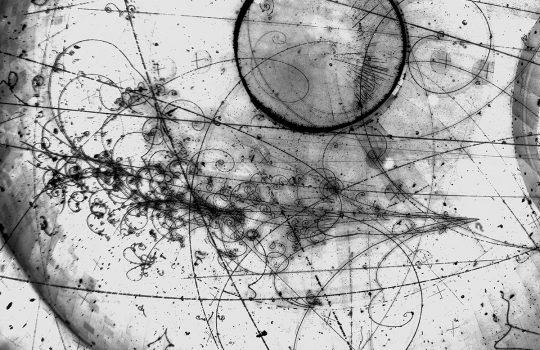
As Fermilab commemorates 70 years since the discovery of the neutrino at the Savannah River Site in the United States, the lab also celebrates its multiple generations of pioneering neutrino research. Today, Fermilab is building the next era of neutrino discovery through the development of the world-leading Deep Underground Neutrino Experiment.
Featured video





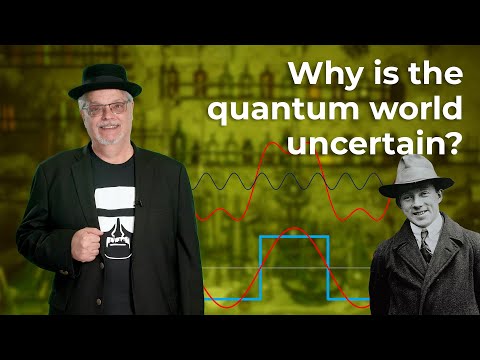

In the news
Second round of Genesis Mission selections includes 12 Phase II awards
DOE has announced the selection of 12 new Phase II awards and six new Phase I awards through its Genesis Mission, including Fermilab’s AXESS project.
UK halfway milestone in mission to unlock neutrino secrets
UK scientists and engineers have reached a major production milestone completing half of the 137 giant neutrino sensors, known as Anode Plane Assemblies for DUNE. These giant sensors will detect the tiny electrical signals produced when neutrinos interact with liquid argon inside DUNE’s enormous underground detectors.
On a collision course
Big Picture Science discusses the breakthroughs around the detection of cosmic neutrinos with Kate Shaw, experimental particle physicist at the University of Sussex who works on DUNE.
Latest Wisconsin Nobel Prize winner shares how scientific collaboration enabled cosmic discoveries
Wisconsin Public Radio interviewed Francis Halzen on winning the Nobel Prize in Physics and the importance of neutrino research.
Social media

Get the latest updates from around the lab.

More from particle physics


A communication resource from the world’s particle physics laboratories.