
Understanding why some superconducting qubits outperform others remains one of the most important challenges in quantum computing. As long as the quantum state in a qubit maintains its coherence and does not decay, information can be held and potentially processed in advanced calculations far beyond the capabilities of current computers.
“Advancing quantum information science is fundamentally tied to our ability to control matter at the atomic level.”
Bindu Nair, U.S. Department of Energy
While over the past decade researchers have identified many possible coherence-limiting defects in the materials used to make the qubits, establishing which microscopic features explain why identically designed qubits may perform differently has remained a challenge. Now, researchers from the Fermi National Accelerator Laboratory-led Superconducting Quantum Materials and Systems Center, or SQMS, have completed one of the most comprehensive studies ever conducted, linking materials and their structures — including surfaces, interfaces and geometries — to variations in quantum device performance. This research provides new insights that directly connect to device fabrication, an important step on the path toward building practical and reliable quantum computers.
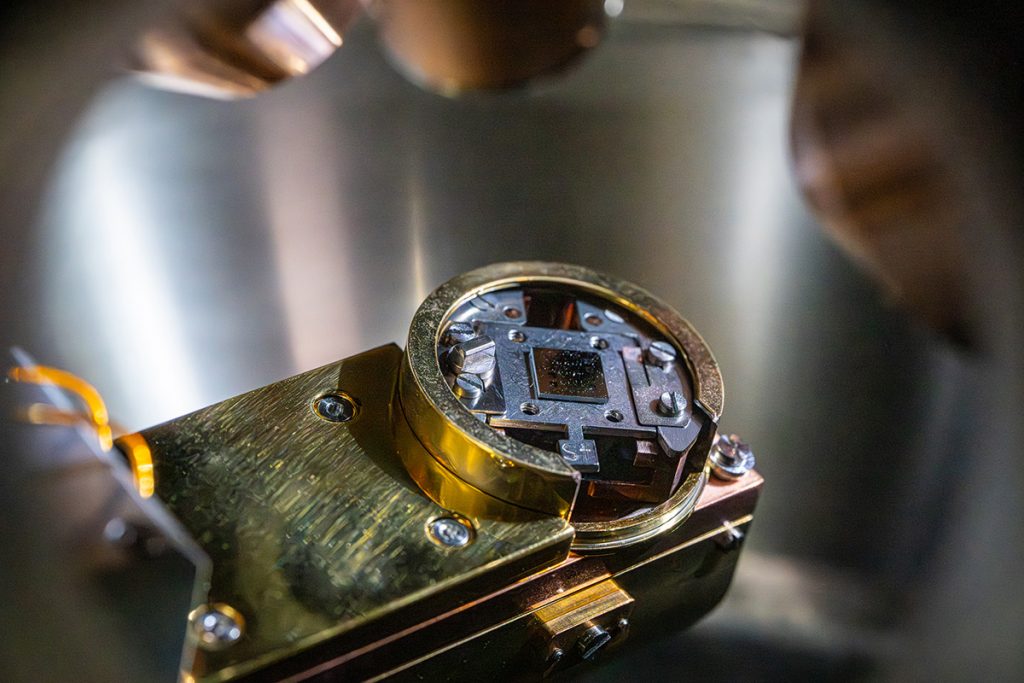
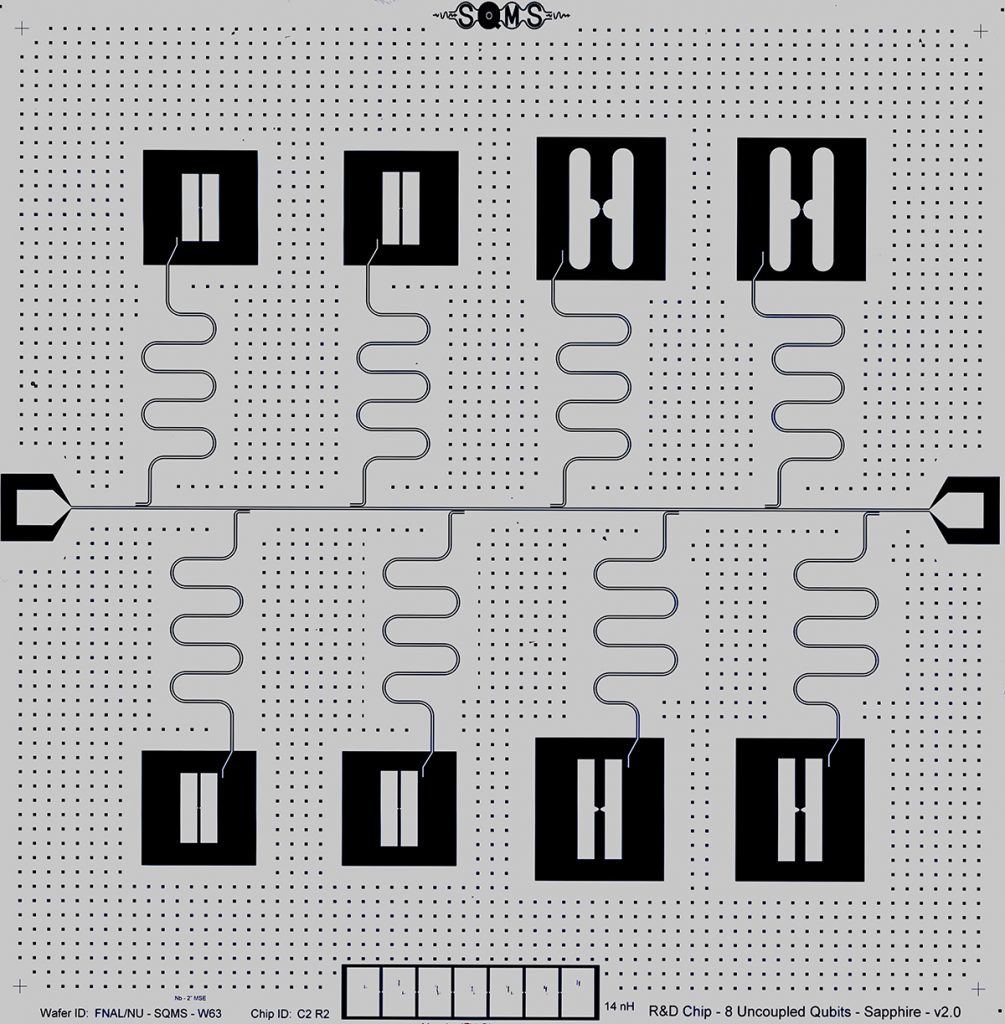
In a large-scale study involving Fermilab, Northwestern University, Rigetti Computing, Ames National Laboratory, National Institute of Standards and Technology, and National Physical Laboratory, SQMS researchers examined 22 superconducting transmon qubits fabricated by Fermilab, Rigetti and NIST. A transmon is a specific type of superconducting qubit, engineered to be far less sensitive to the small fluctuations in electric charge that can flip a qubit’s state, making it one of the most widely used qubit designs in superconducting quantum computing today. Using seven different materials-characterization techniques, the teams documented the material properties of quantum devices exhibiting varying levels of quantum-state coherence and investigated correlations with device-performance data. The study’s findings have been published in Applied Physics Reviews.
“Advancing quantum information science is fundamentally tied to our ability to control matter at the atomic level,” said Bindu Nair, associate director of Basic Energy Science at the U.S. Department of Energy. “The coordinated effort led by SQMS provides a scientifically grounded guide to the material defects behind variability in superconducting device performance, moving us from observation to correlation. This foundational knowledge is essential to building the next generation of reliable, reproducible and powerful quantum technologies for the nation.”
A study based on correlations
For years, SQMS researchers have investigated how materials, interfaces and surface chemistry affect the coherence of quantum states in superconducting qubits. Pre-dating the center’s work, Fermilab researchers studied cavities that preserve high-coherence states, and used them to understand how niobium oxides influence the performance of quantum devices. Throughout the lifetime of the center, understanding and controlling the oxides with thermal processing has remained a focus. These studies contributed to the development of surface encapsulation approaches designed to protect superconducting surfaces and improve performance.
“The strength of this study is that it brought together many techniques, many devices and many partners.”
Akshay Murthy, Fermilab
Despite these extensive advances, challenges remain in achieving uniformly high qubit performance. Superconducting qubits can be fabricated on the same chip, using the same nominal processes and materials, and still perform differently. For quantum researchers, that variation points to one of the field’s central materials science questions: What, at the microscopic level, causes one qubit to maintain quantum information longer than another?
“This study was based on systematically comparing high-performing versus low-performing devices side-by-side,” said Alexander Romanenko, SQMS technology leader. “Because those devices share the same design and are fabricated together from the same materials, any difference in how they performed had to come down to something more subtle. Over the past two decades, we have successfully developed this methodology to understand and improve the performance of superconducting radio frequency cavities, and with SQMS we decided to apply it for the first time to superconducting qubits.”
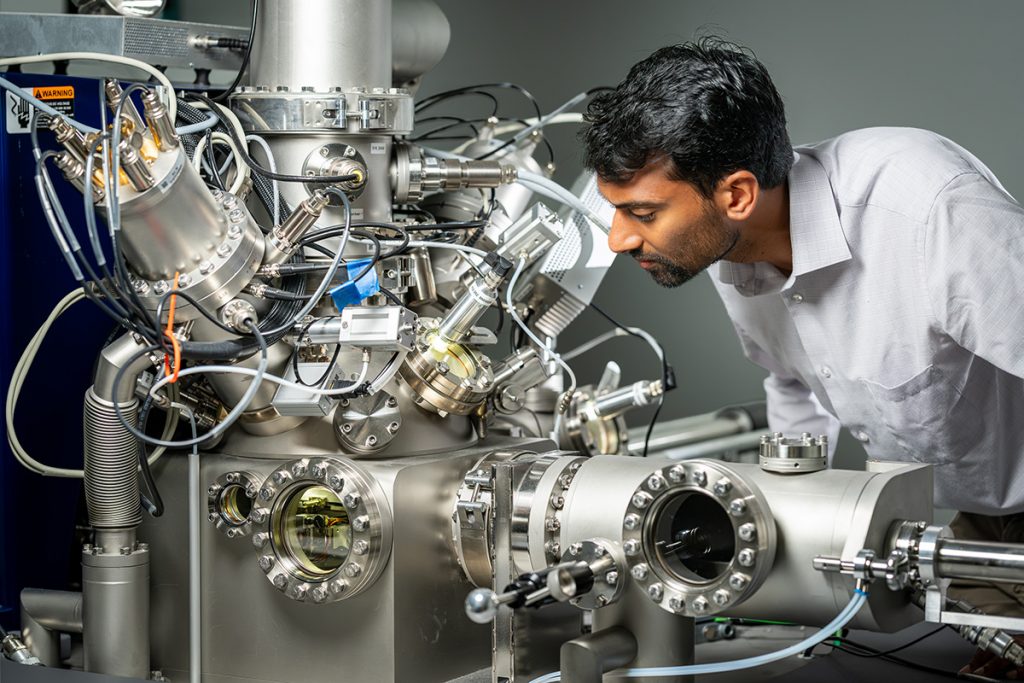
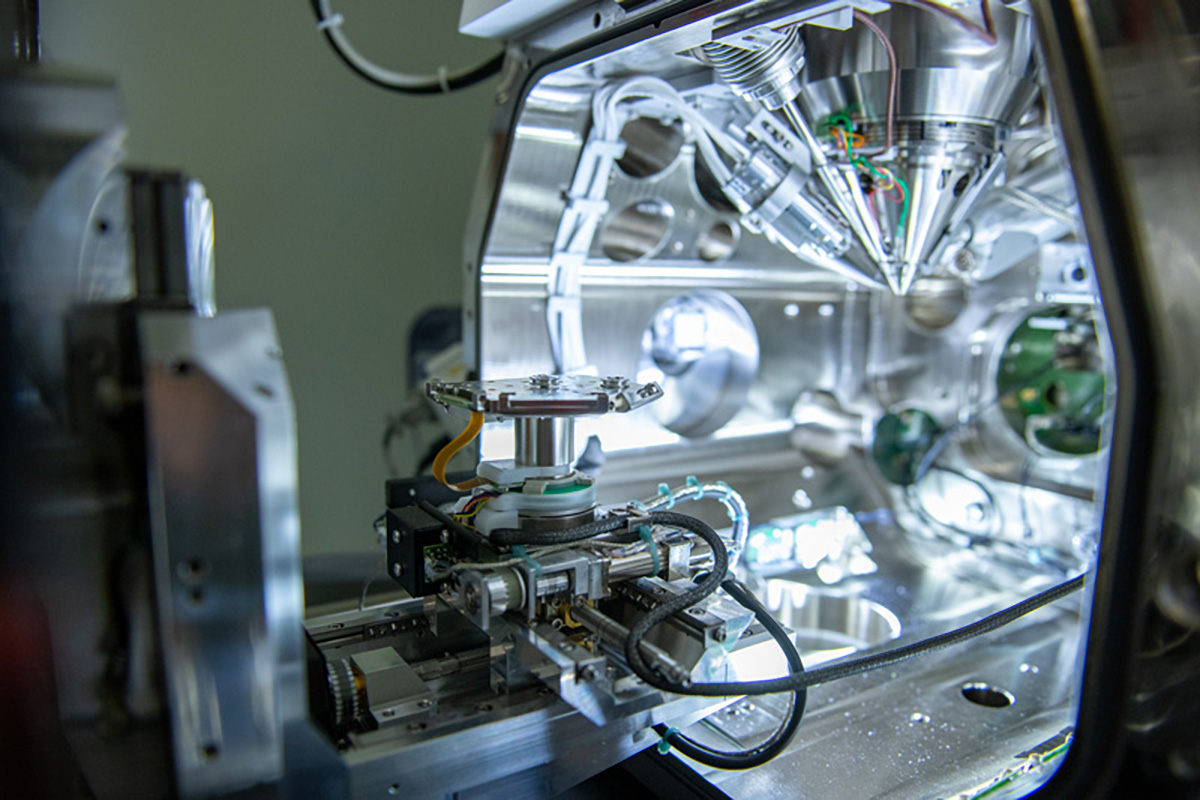
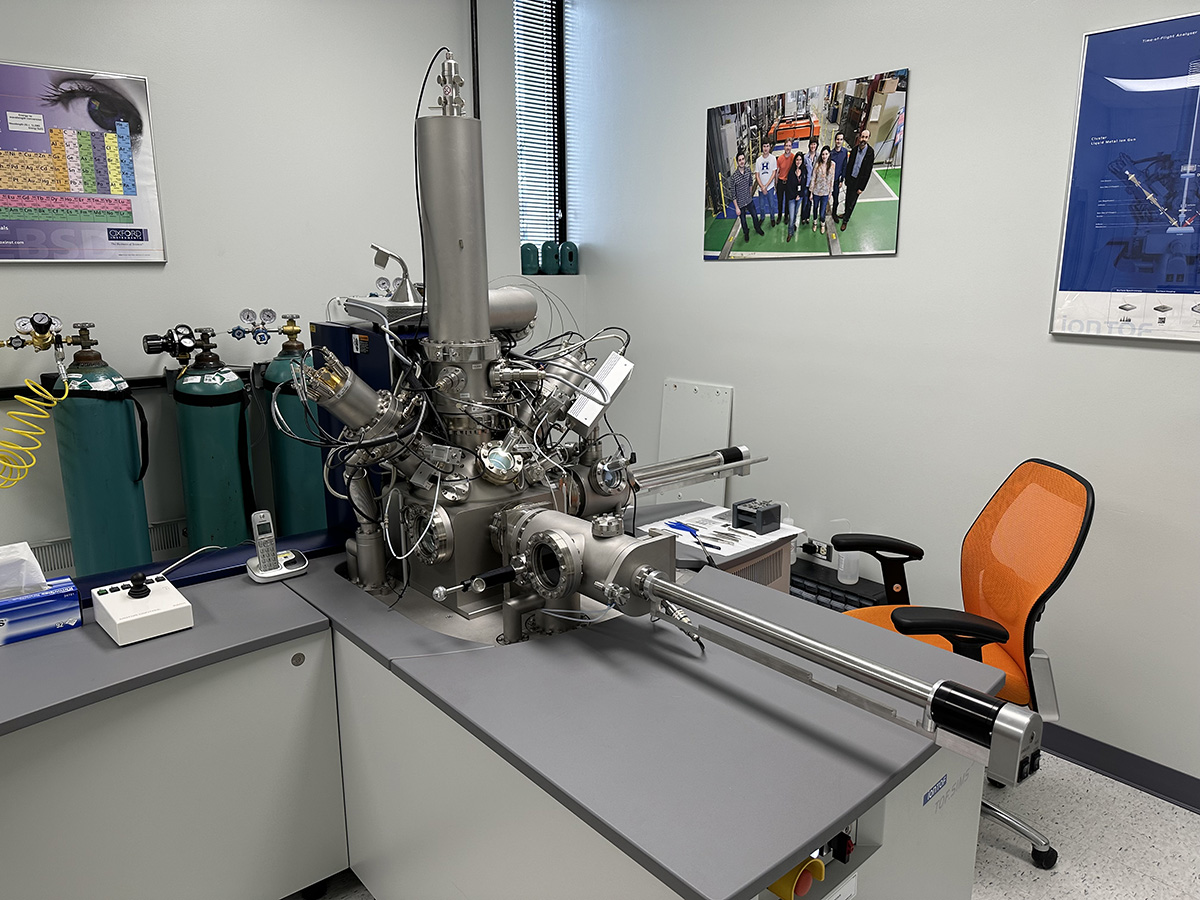
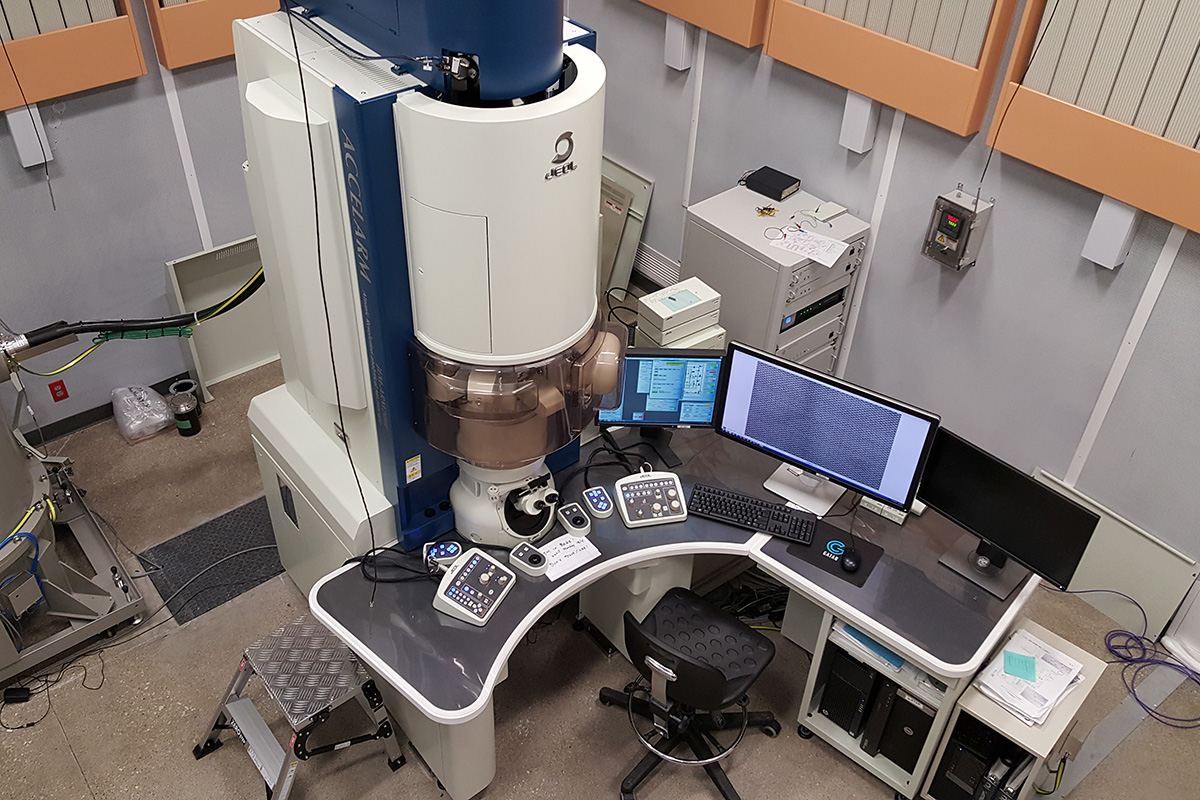
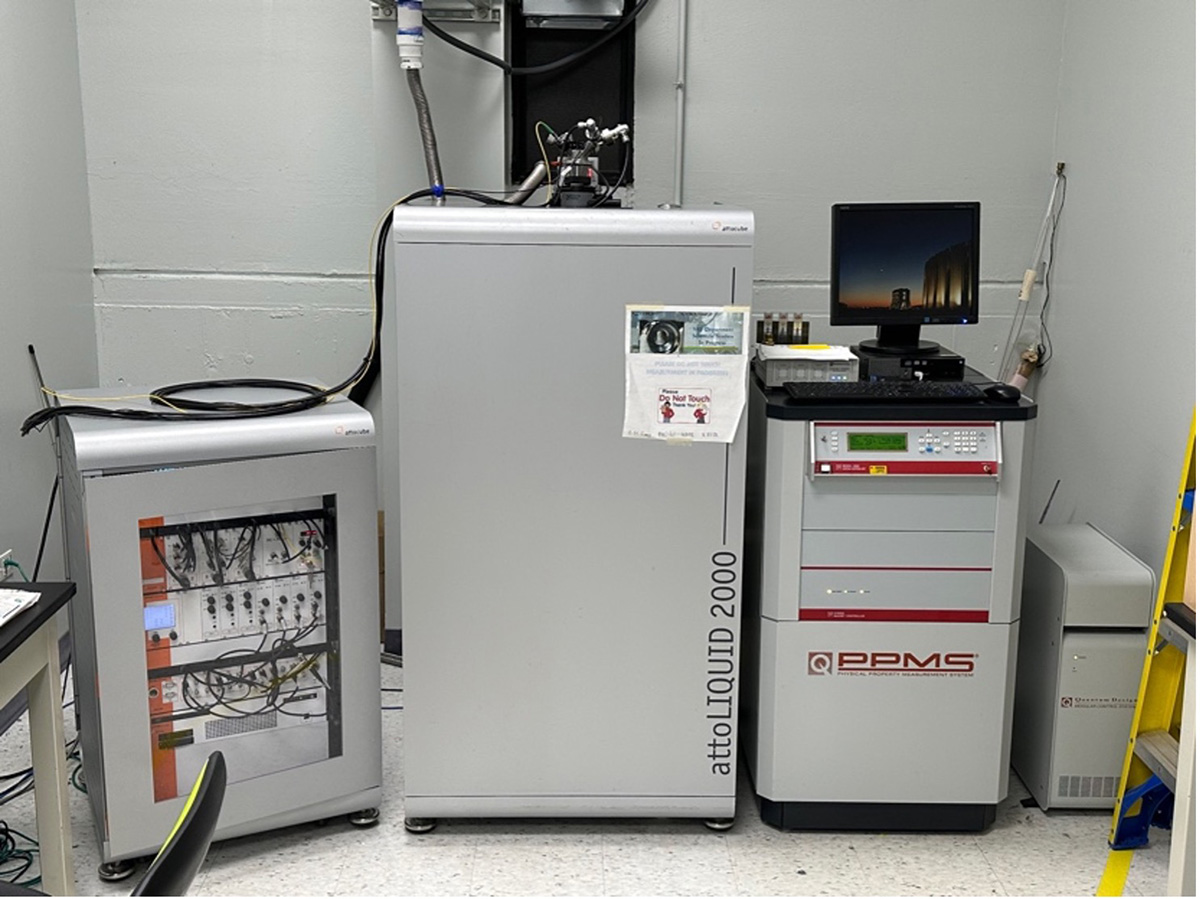
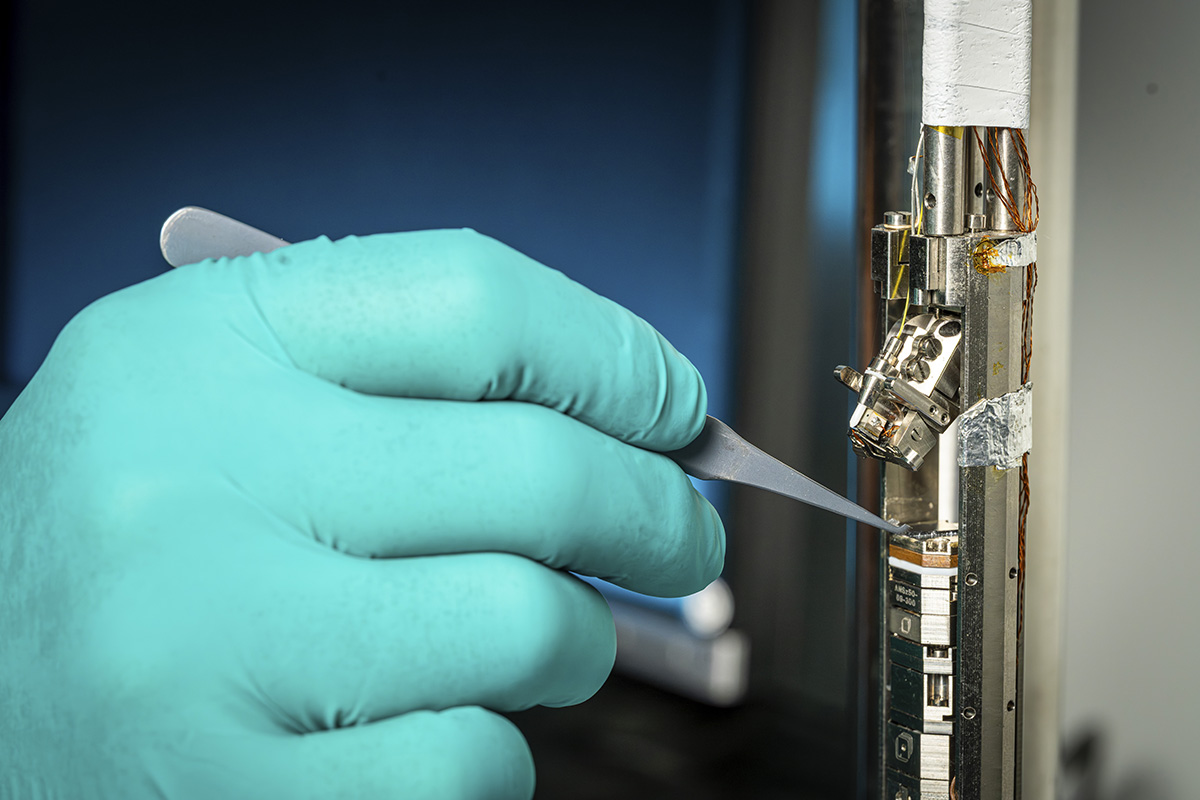
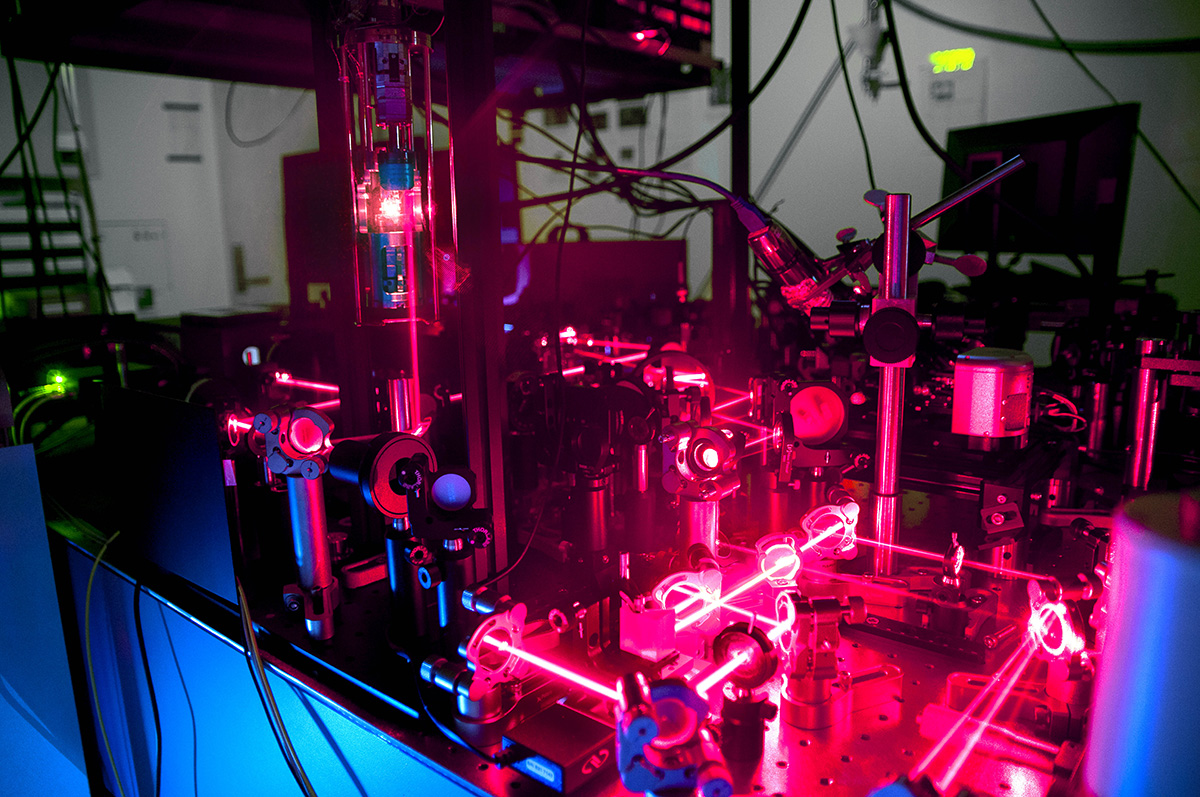
To achieve this goal, the team paired a variety of microscopy and spectroscopy techniques across Fermilab, Ames National Laboratory, and Northwestern University with quantum coherence characterization for qubit states performed in the SQMS Quantum Garage at Fermilab.
“No single measurement tells the whole story,” said Akshay Murthy, deputy director of the SQMS Center. “The strength of this study is that it brought together many techniques, many devices and many partners. By combining those data sets, we were able to identify generalizable trends that would be very difficult to see from one device or one characterization method alone.”
By determining which defects correlate with performance variation from one qubit to the next, researchers can target those defects through improved materials processing, fabrication techniques and surface treatments. For SQMS, that makes the study more than a retrospective analysis of device performance. It provides a roadmap for future work.
A bias-free look at qubit materials
The study was designed to remove bias from the process, and researchers who characterized the devices did not know how the qubits had performed. Instead, each team examined the devices, documented the features they observed and quantified those features as thoroughly as possible. Only after the data was collected did researchers look for correlations between materials defects and variations in qubit performance.
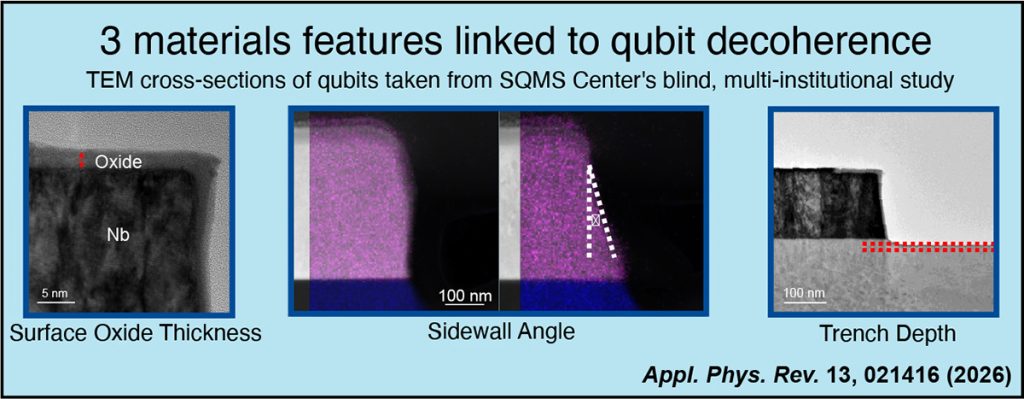
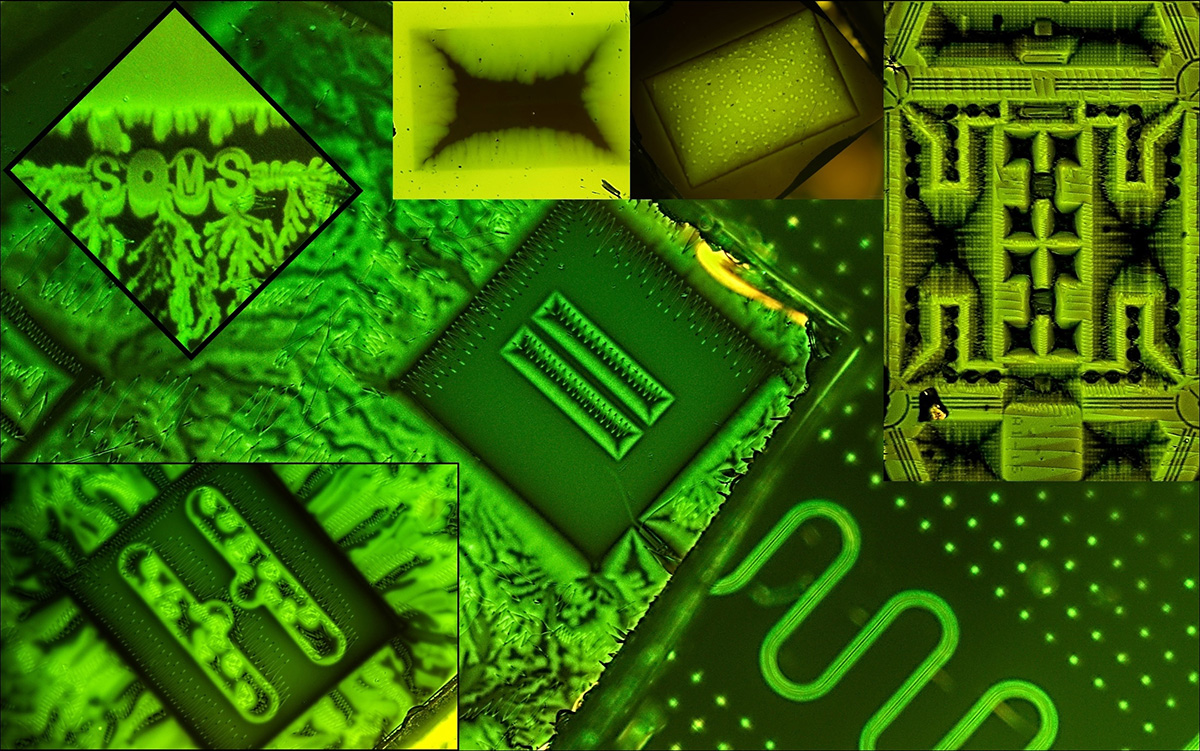
Electron microscopy images show three material features that were observed to be linked to variations in the performance of superconducting qubits. These include the thickness of oxides that form on the surface of these qubits, the subtle variations in angle present at sidewalls of qubits, and the trench depth — a measure of how deep a trench is carved into the substrate immediately neighboring the device. Graphic: SQMS Center, Fermilab
“The challenge we gave ourselves was a blind study where we didn’t reveal the energy relaxation lifetimes (T1) — how quickly an excited quantum state loses energy — of the devices before we started a comprehensive study of the qubits,” said Matt Kramer, distinguished scientist at Ames National Laboratory. “The first tests we did were non-destructive, with many of those methods allowing us to recognize features which we could then look at with higher resolution and employ more invasive methods. This approach allowed an unbiased decision tree to look for features that could be linked to variations in qubit performance.”
The analysis pointed to three features that stood out in relation to variations in device performance: the depth of the trenches around device structures, the angle of the etched sidewalls and the thickness of the oxide layer on the surface.
- Surface oxide-layer thickness reflects the chemistry of the superconducting surface. Prior SQMS work showed this layer, though only a few nanometers thick, dominates losses in niobium qubits. This study adds that even single nanometer variations in oxide thickness from device-to-device can meaningfully shift performance.
- Sidewall angles are tied to how device structures are patterned and etched during fabrication. Electromagnetic simulations indicate that a sharp angle of approximately 10-15 degrees reduces the electric field stored in lossy oxides and predicts improvement in performance by 20 to 30% compared to a broader, more tapered angle of around 30 degrees.
- Trench depth was also found to significantly contribute to variations in qubit performance. This represents the vertical distance of the recesses etched into the underlying substrate — the foundation of the qubit — immediately adjacent to the edges of the superconducting metal electrodes. At trench depths below approximately 20 nanometers, small variations have a more dramatic effect on device performance. At a larger trench depth, this effect saturates and other factors play a more prominent role. Like sidewall angles, trench depths are also tied to fabrication.
In contrast, the team also examined macroscopic defects, such as surface scratches, particulates and similar visible imperfections, but found no clear correlation between these features and device performance, suggesting that for this set of devices, nanoscale differences in surface chemistry and etch geometry matter more to performance variation than damage visible to the eye.
Collectively, the findings indicate that both fabrication geometry and surface chemistry help explain the reproducibility of device performance. Across the devices studied, differences in these three features accounted for as much as a twofold variation in performance among qubits fabricated from identical materials. This evidence therefore points to tighter control over trench depth, sidewall angle and oxide thickness as a way to narrow that spread.
Guidance for quantum manufacturing
For industry partners, the findings offer something that has been difficult to obtain: scientifically grounded guidance on which materials and fabrication features deserve the most attention.
Companies such as Rigetti Computing can fabricate devices repeatedly and at scale, but they often lack the breadth of knowledge and tools to investigate every possible cause of performance variation in depth. That makes the SQMS collaboration especially valuable.
“As we scale to larger quantum processors, performance isn’t set by our best qubits — it’s set by our worst ones, since a single low-performance qubit can drag down the fidelity of any computation that relies on it,” Andrew Bestwick, chief technology officer at Rigetti, said. “Narrowing that spread across a chip matters just as much as pushing our best qubits further, and that’s exactly the kind of problem this study starts to give us a scientific handle on.”
“The SQMS study gives companies a stronger basis for determining which changes are worth pursuing.”
Andrew Bestwick, Rigetti Computing
For Rigetti, the study addresses questions that are directly connected to device fabrication. “We have wondered ourselves: What sidewall angle should we engineer our etch to have? How deep should the trench go? How much should we prioritize these lithographic features?” Bestwick said. “Very few people have been able to establish answers to these questions scientifically.”
That information could help guide future manufacturing decisions.
“In industry, process changes must be made carefully and in a controlled way to keep fabrication stable and reproducible,” Bestwick said. “The SQMS study gives companies a stronger basis for determining which changes are worth pursuing.”
A roadmap towards reproducible qubits
The work represents an important milestone in SQMS’s broader mission to establish the scientific foundations of scalable quantum computing. While the study identifies several materials and fabrication features strongly associated with qubit performance, researchers view these results as the beginning rather than the end of the journey. In this initial study, the team established which material features help explain energy relaxation. The team’s next step is to extend the analysis to dephasing and T2 coherence, which refers to how long a qubit can maintain phase information, a critical parameter for gate fidelity in multi-qubit processors.
Future studies will expand the range of materials systems, device architectures and characterization approaches, building increasingly predictive models that connect materials processing directly to quantum performance.
“What makes this work unique is not only the scale of the study, but the breadth of expertise brought together through SQMS,” said Anna Grassellino, Fermilab chief technology officer and SQMS center director. “By uniting leading institutions, advanced characterization capabilities and quantum hardware platforms, we are beginning to transform quantum device development from an art into a predictive science. That foundation will be critical as we move toward larger, more powerful quantum systems.”
As superconducting quantum processors continue to include more qubits and more complex connections, the ability to engineer coherence through a deep understanding of materials is increasingly essential. The SQMS collaboration is helping build that foundation, and with it, a new standard for how quantum hardware is developed and understood.
And the work continues.
Fermi National Accelerator Laboratory is America’s national laboratory for particle physics and accelerator research. Fermi Forward Discovery Group manages Fermilab for the U.S. Department of Energy Office of Science. Visit Fermilab’s website at www.fnal.gov and follow us on social media.
The Superconducting Quantum Materials and Systems Center at Fermilab is supported by the DOE Office of Science.
The Superconducting Quantum Materials and Systems Center is one of the five U.S. Department of Energy National Quantum Information Science Research Centers. Led by Fermi National Accelerator Laboratory, SQMS is a collaboration of more than 40 partner institutions — national labs, academia and industry — working together to bring transformational advances in the field of quantum information science. The center leverages Fermilab’s expertise in building complex particle accelerators to engineer multiqubit quantum processor platforms based on state-of-the-art qubits and superconducting technologies. For more information, please visit sqmscenter.fnal.gov.
Recommended reading
DOE releases national quantum computing roadmap following field-wide effort led by SCAC subcommittee
Quantum computing is becoming a revolutionary tool for scientific discovery.

Fermilab and Microsoft partner to provide new quantum tools and expand quantum research
Fermilab is among the initial partners in Microsoft Quantum’s newly established quantum research center. Opening in the Discovery District, Maryland, the center will feature a quantum hardware makerspace, where researchers can develop new approaches to hands-on quantum training. As part of this effort, Fermilab will expand the capabilities of its Quantum Instrumentation Control Kit, or QICK, an open-source quantum control and readout system, providing flexible new tools to the quantum community.

URA honors Fermilab researchers advancing laboratory’s top priorities
Tyler Barrett, Charis-Kleio Koraka, Kevin Kelly and Silvia Zorzetti are the recipients of the 2026 URA Honorary Awards. The awards are presented each year by Universities Research Association to recognize significant contributions to research at Fermilab.