Exhibit highlights images from Fermilab’s Dark Energy Camera
From WDCB, March 22, 2016: Fermilab’s Brian Nord and Martin Murphy talk about the collision of art and science in this nine-minute radio interview.

91 - 99 of 99 results
From WDCB, March 22, 2016: Fermilab’s Brian Nord and Martin Murphy talk about the collision of art and science in this nine-minute radio interview.
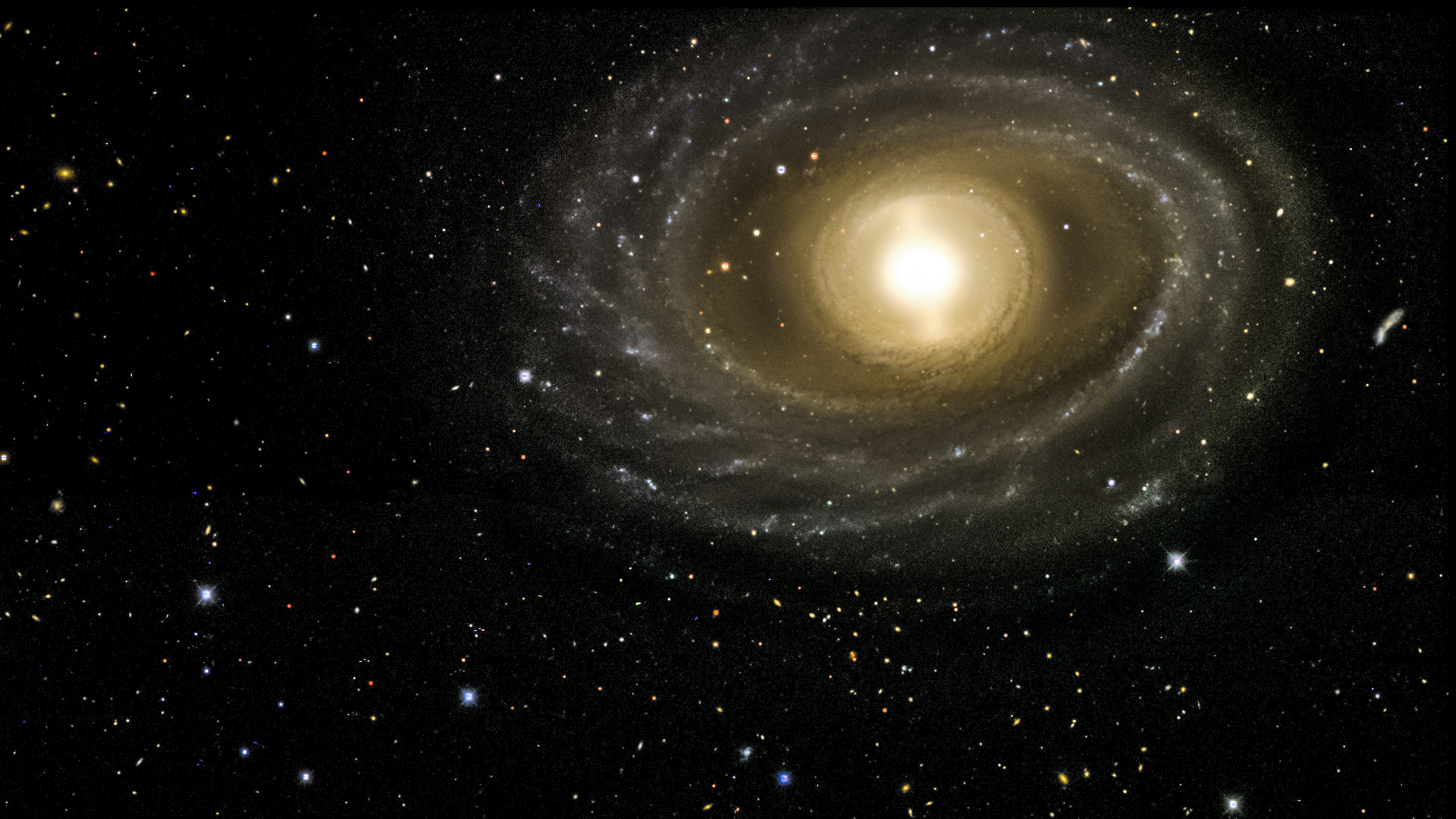
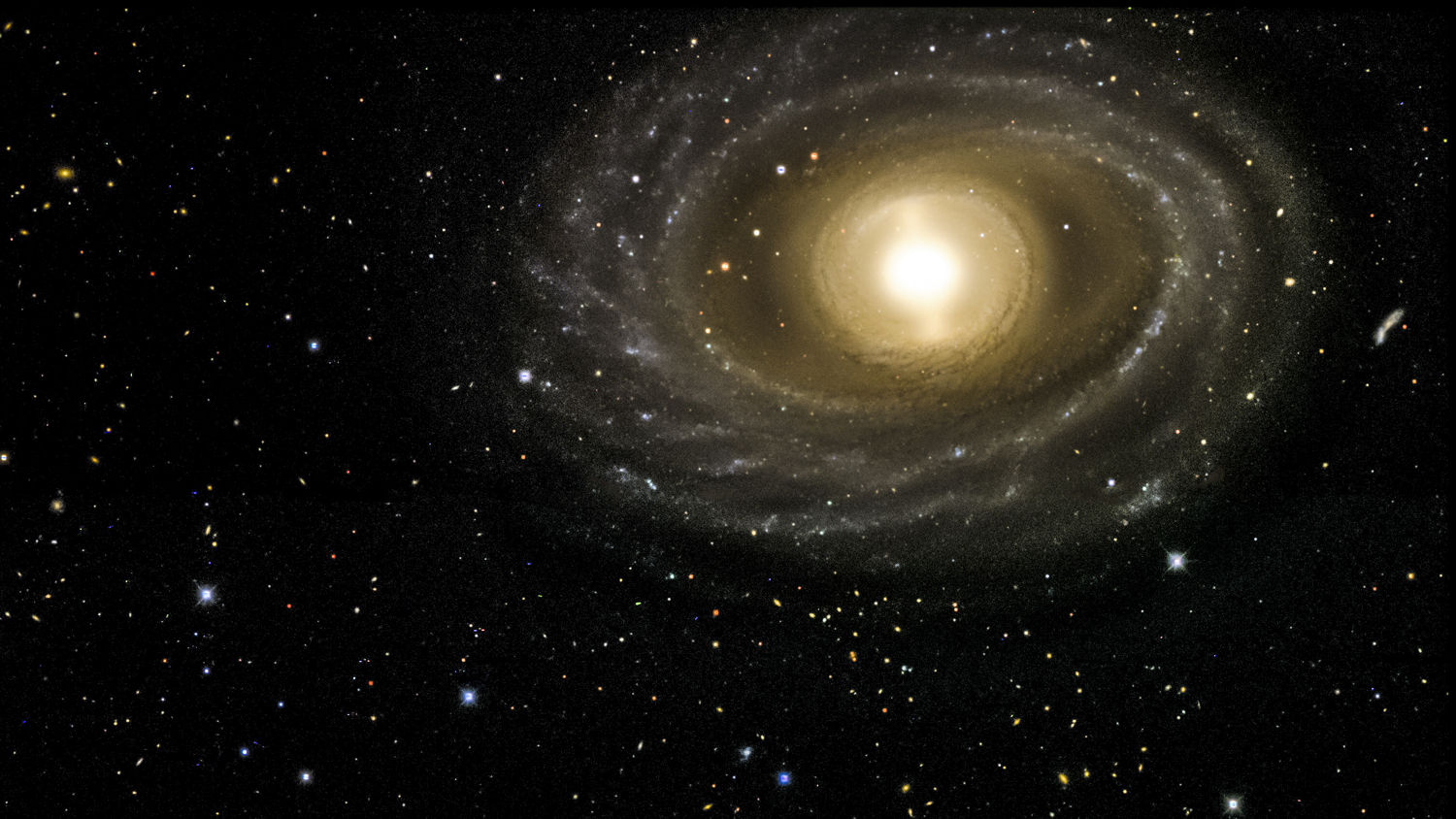
The Fermilab Art Gallery welcomes “Art of Darkness,” a new exhibit of images from the Dark Energy Survey, including dazzling pictures of the cosmos captured with the Dark Energy Camera.
Before the Dark Energy Survey began in August 2013, scientists spent months testing the Dark Energy Camera, putting it through its paces. Now, catalogs of galaxies and stars derived from the data collected during the Science Verification season have been released to the public.
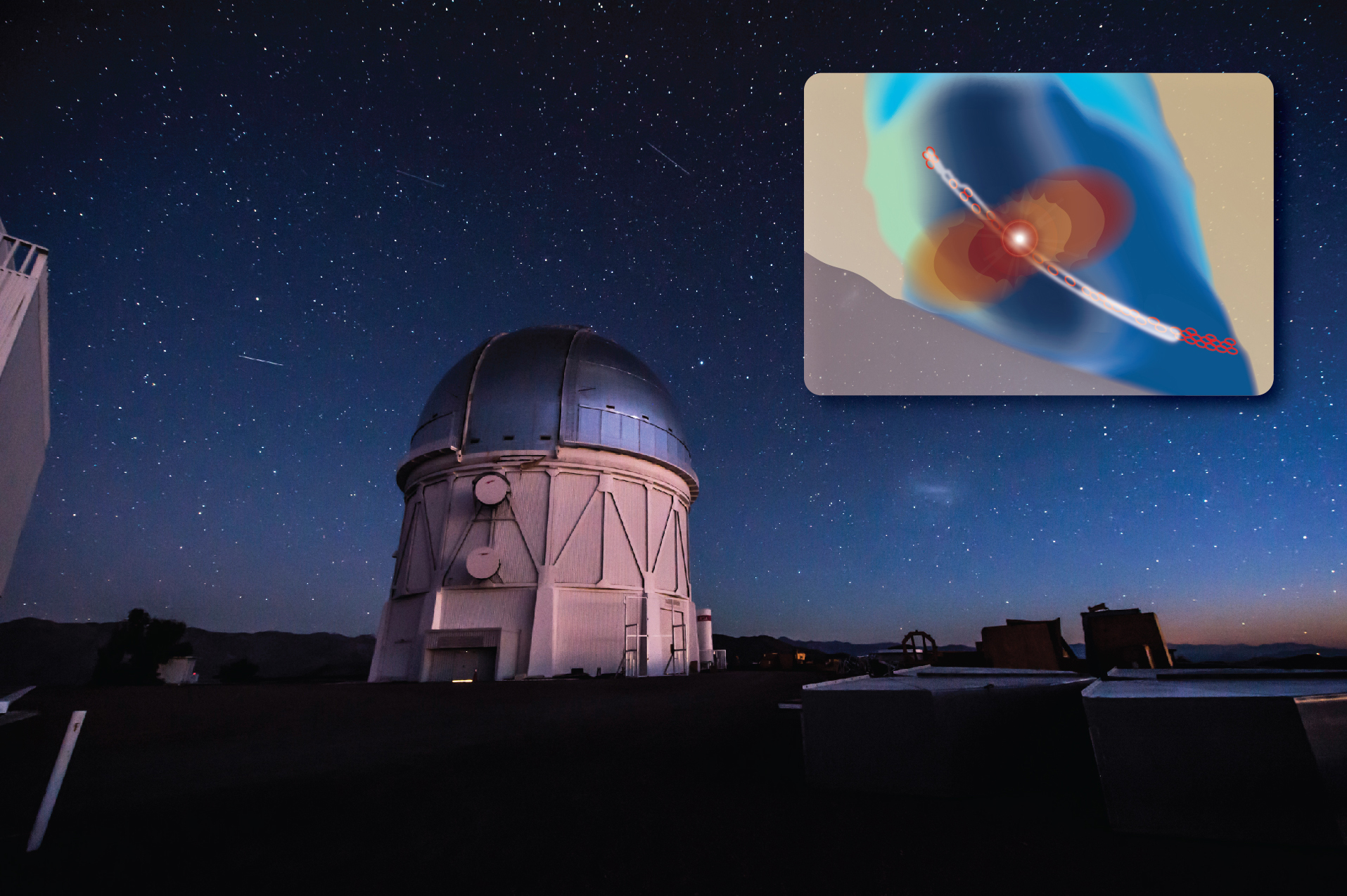
Members of the Dark Energy Survey have partnered with the LIGO experiment in the hunt for gravitational waves. They’re the DES-GW group. DES-GW will use the Dark Energy Camera to help LIGO search for the source of the gravitational waves it detects.
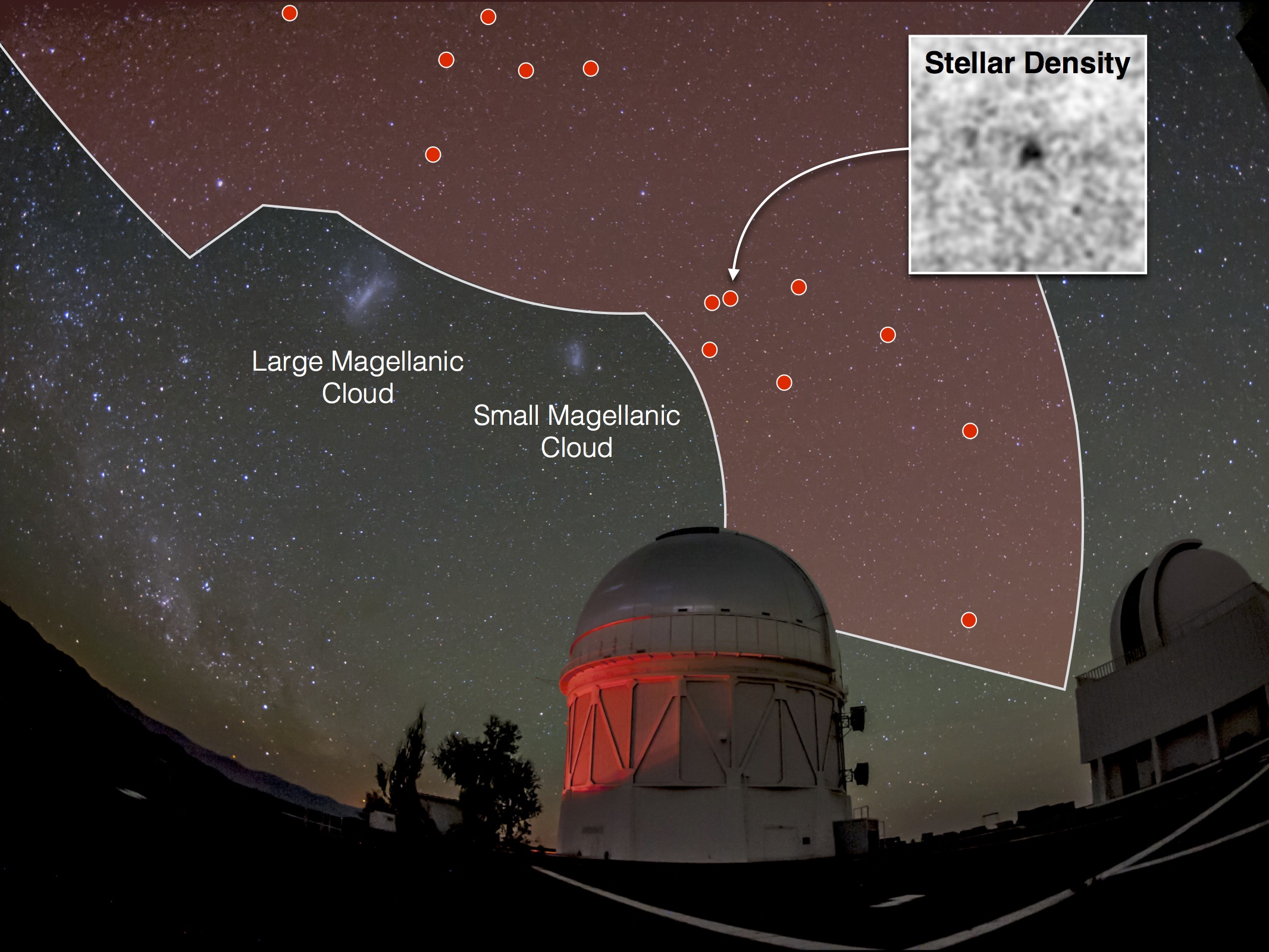
Scientists on the Dark Energy Survey, using one of the world’s most powerful digital cameras, have discovered eight more faint celestial objects hovering near our Milky Way galaxy. Signs indicate that they, like the objects found by the same team earlier this year, are likely dwarf satellite galaxies, the smallest and closest known form of galaxies.

Scientists on the Dark Energy Survey have released the first in a series of dark matter maps of the cosmos. These maps, created with one of the world’s most powerful digital cameras, are the largest contiguous maps created at this level of detail and will improve our understanding of dark matter’s role in the formation of galaxies.
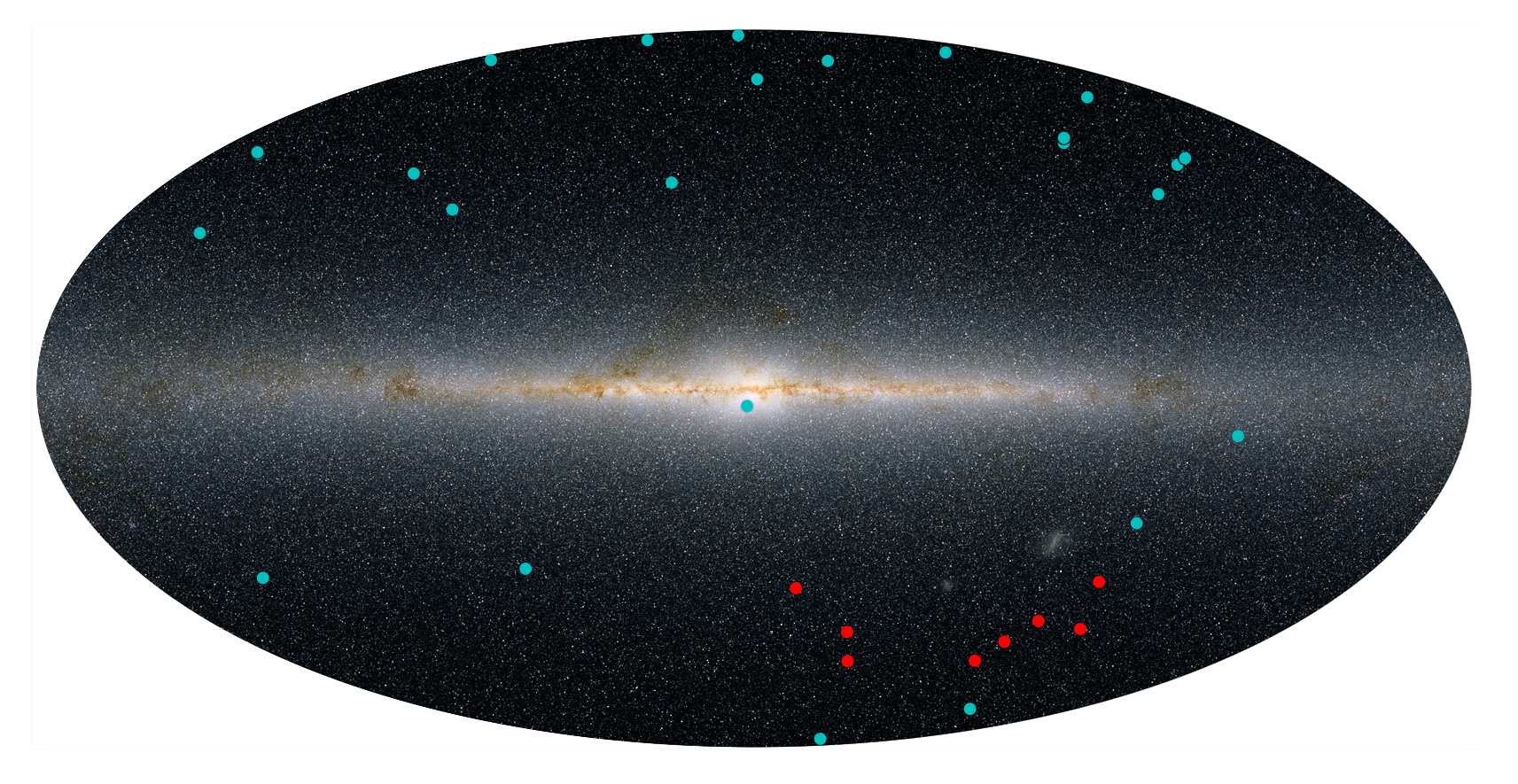
Scientists on two continents have independently discovered a set of celestial objects that seem to belong to the rare category of dwarf satellite galaxies orbiting the Milky Way. A team of researchers with the Dark Energy Survey, headquartered at Fermi National Accelerator Laboratory, and an independent group from the University of Cambridge jointly announced their findings today.
With its second year under way, the Dark Energy Survey team posts highlights and prepares to release images from its first year
On Aug. 31, the Dark Energy Survey (DES) officially began. Scientists on the survey team will systematically map one-eighth of the sky (5000 square degrees) in unprecedented detail. The start of the survey is the culmination of 10 years of planning, building and testing by scientists from 25 institutions in six countries.