LHCb discovers family of tetraquarks
Researchers found four new particles made of the same four building blocks.

161 - 170 of 189 results
Researchers found four new particles made of the same four building blocks.
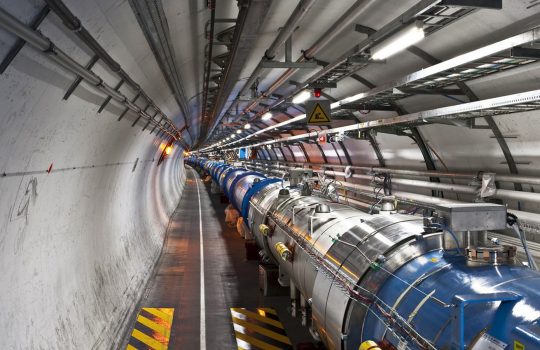
Higgs bosons should mass-produce bottom quarks. So why is it so hard to see it happening?
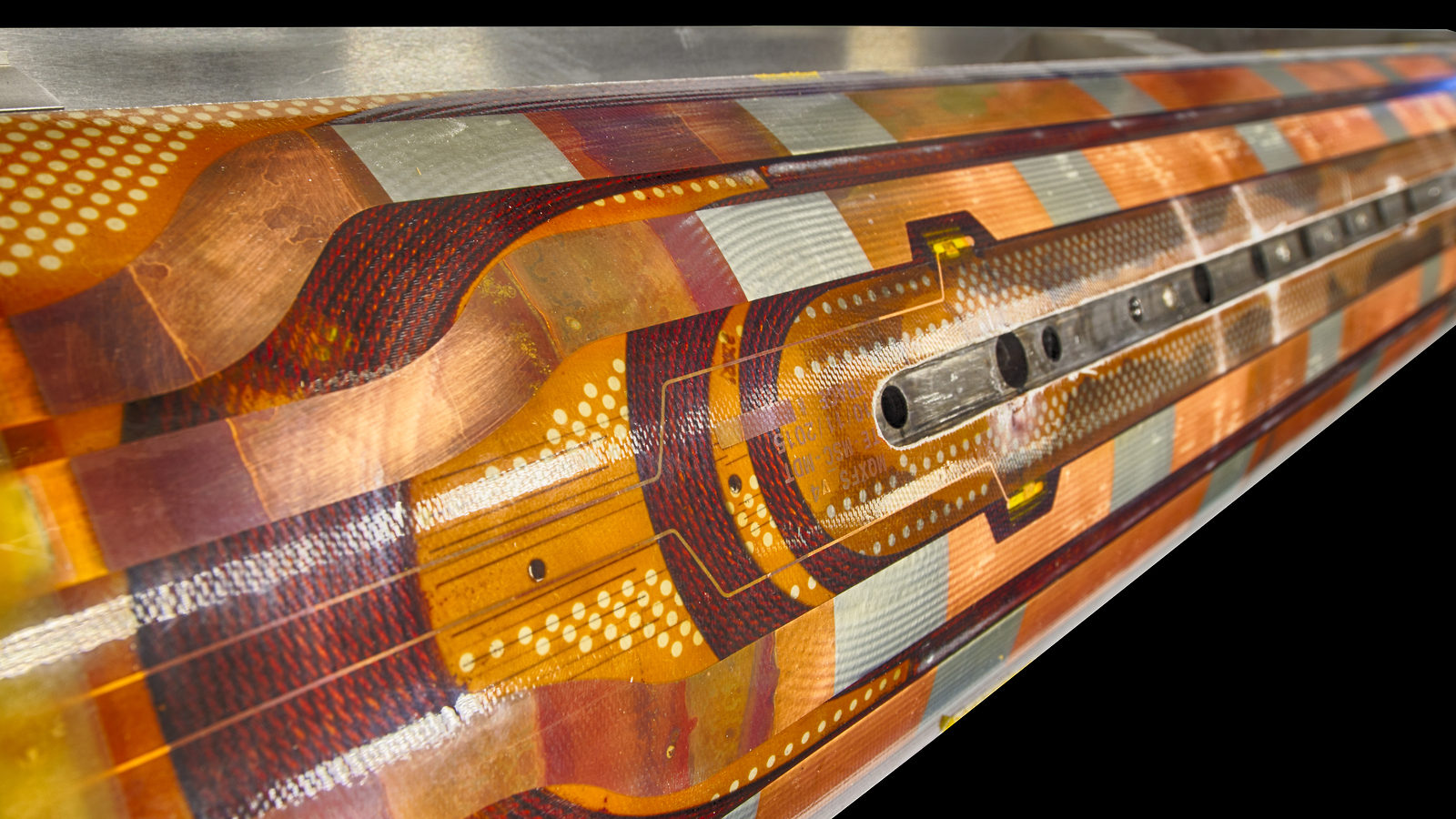
A partnership between three national U.S. laboratories and CERN to upgrade the LHC has yielded the strongest accelerator magnet ever created.
GeekWire, Jan. 6, 2016: The Higgs boson is the biggest find of the century in particle physics, but for the past few weeks, physicists at the Large Hadron Collider have been considering whether there’s a mystery that’s even bigger. Or at least more massive. Fermilab’s Don Lincoln is quoted in this article.
The New York Times, Dec. 15, 2015: Fermilab Deputy Director Joe Lykken is quoted in this article on ATLAS and CMS results that point to traces of what could be a new fundamental particle.
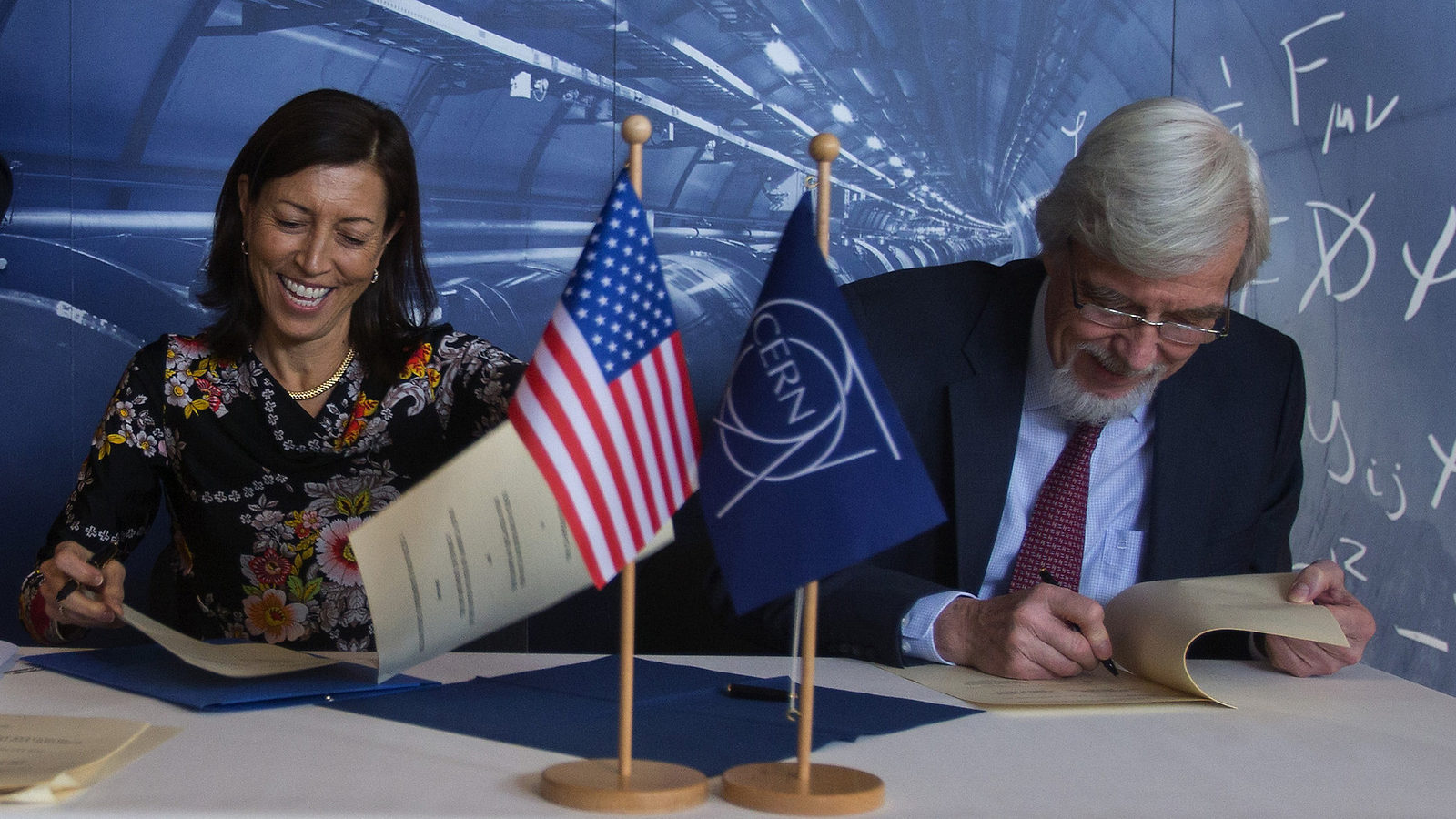
The United States and the European physics laboratory have formally agreed to partner on continued LHC research, upcoming neutrino research and a future collider.
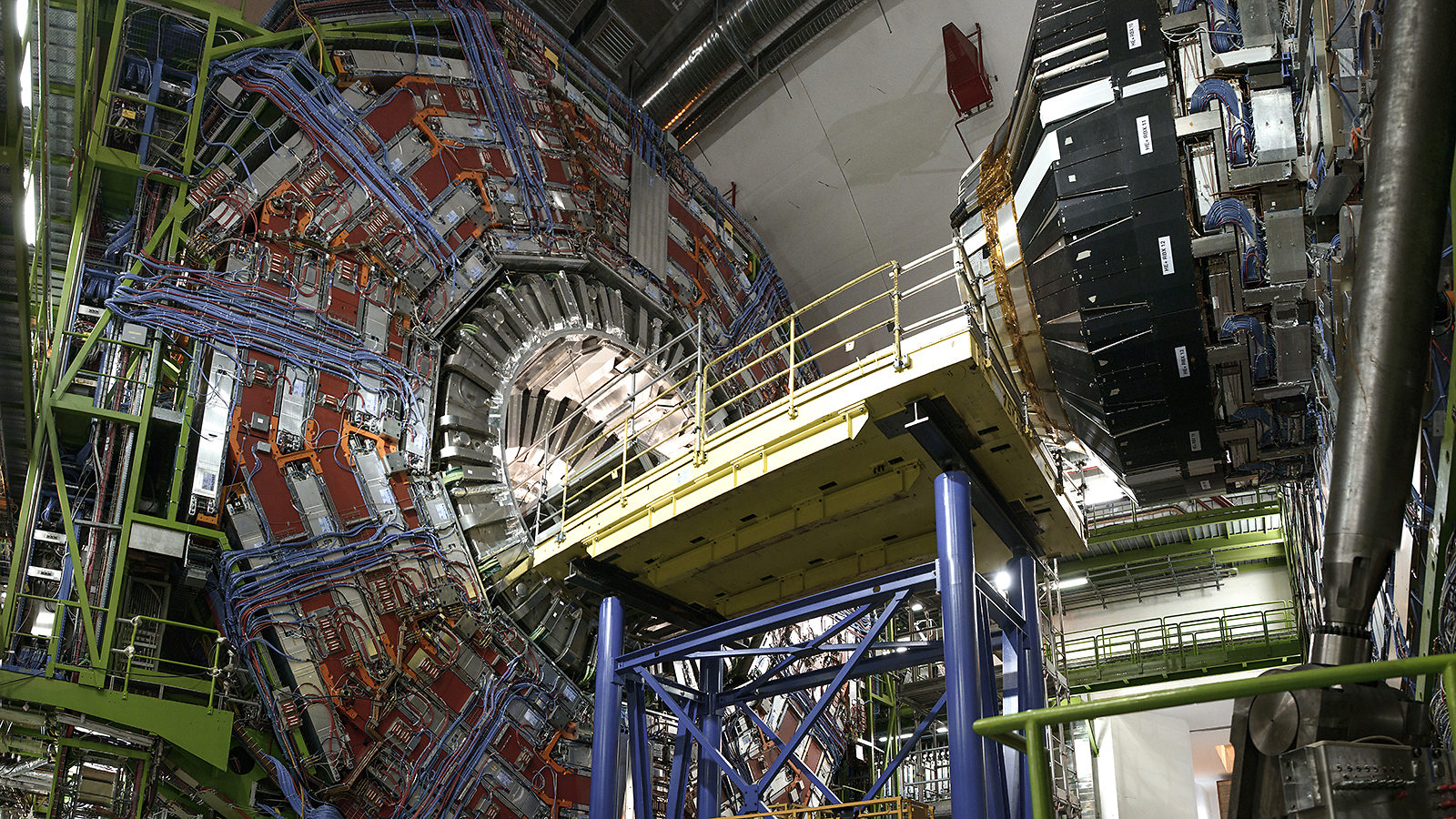
To learn more about the particles they collide, physicists turn their attention to a less destructive type of collision in the LHC.
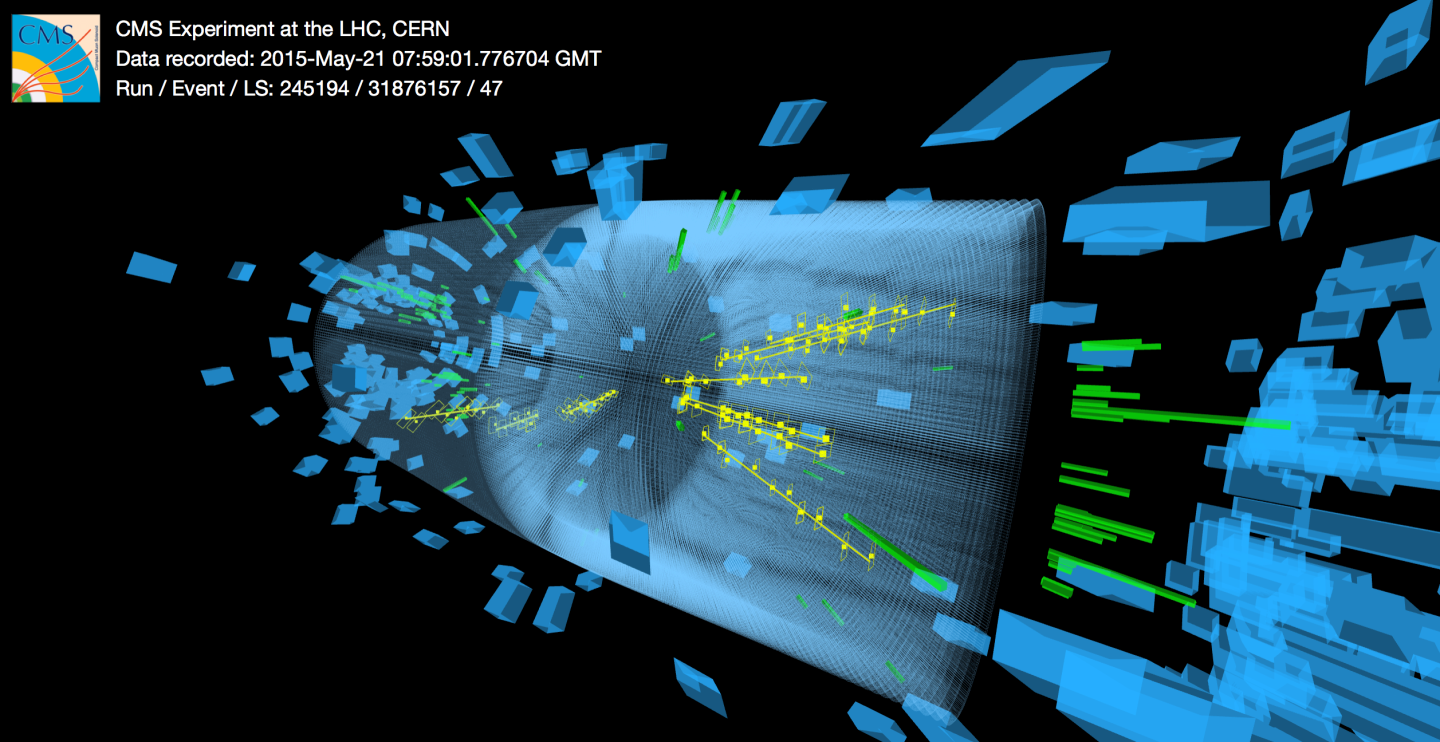
Today scientists at the Large Hadron Collider at CERN, the European research facility, started recording data from the highest-energy particle collisions ever achieved on Earth.

With the Large Hadron Collider back in action, the more than 1,700 U.S. scientists who work on LHC experiments are prepared to join thousands of their international colleagues to study the highest-energy particle collisions ever achieved in the laboratory.
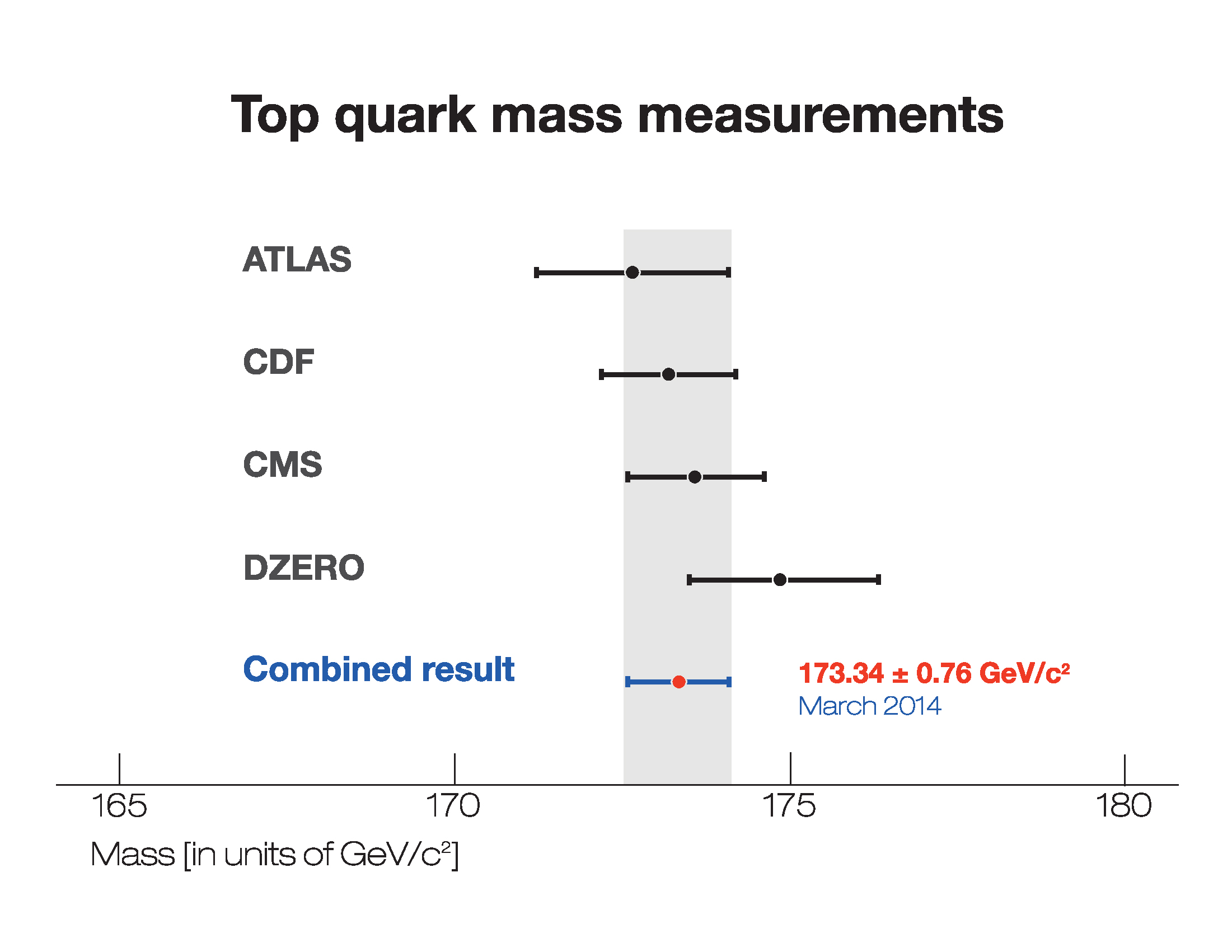
Scientists working on the world’s leading particle collider experiments have joined forces, combined their data and produced the first joint result from Fermilab’s Tevatron and CERN’s Large Hadron Collider (LHC), past and current holders of the record for most powerful particle collider on Earth.