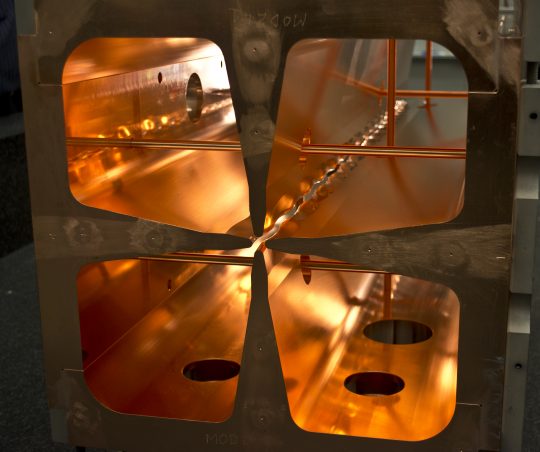
Upgraded PIP-II RFQ successfully takes first beam
A new radio-frequency quadrupole, designed and built by Lawrence Berkeley National Laboratory, will help provide intense, focused beams to the entire Fermilab accelerator complex.

91 - 100 of 103 results
A new radio-frequency quadrupole, designed and built by Lawrence Berkeley National Laboratory, will help provide intense, focused beams to the entire Fermilab accelerator complex.
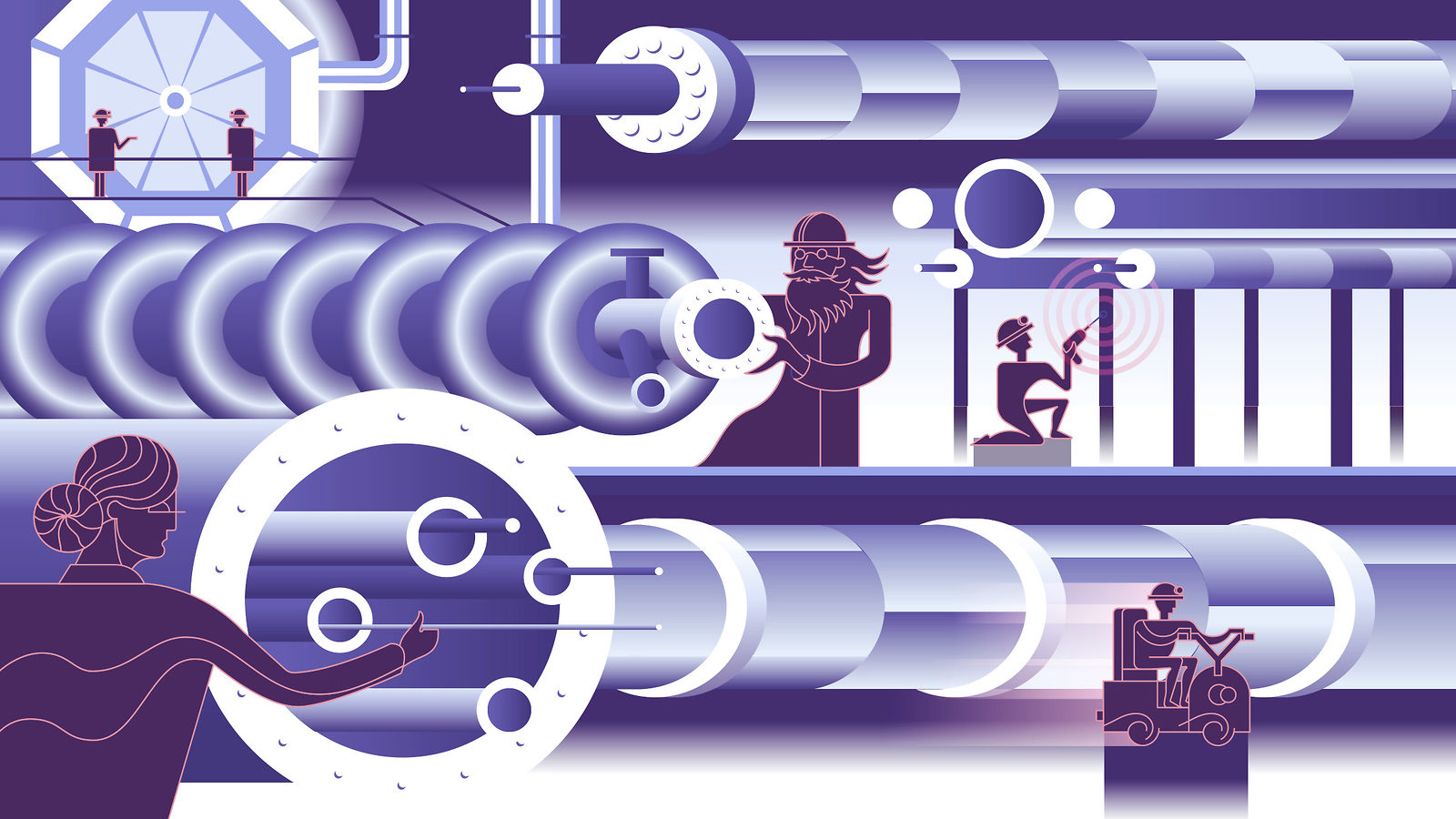
Accelerator scientists are in demand at labs and beyond.
From Silicon Republic, April 8, 2016: Researchers in the United States, including Fermilab researchers, and CERN have teamed up to produce 20 new accelerator magnets, which, when put together into the next LHC in 2026, will up its power by a factor of ten.
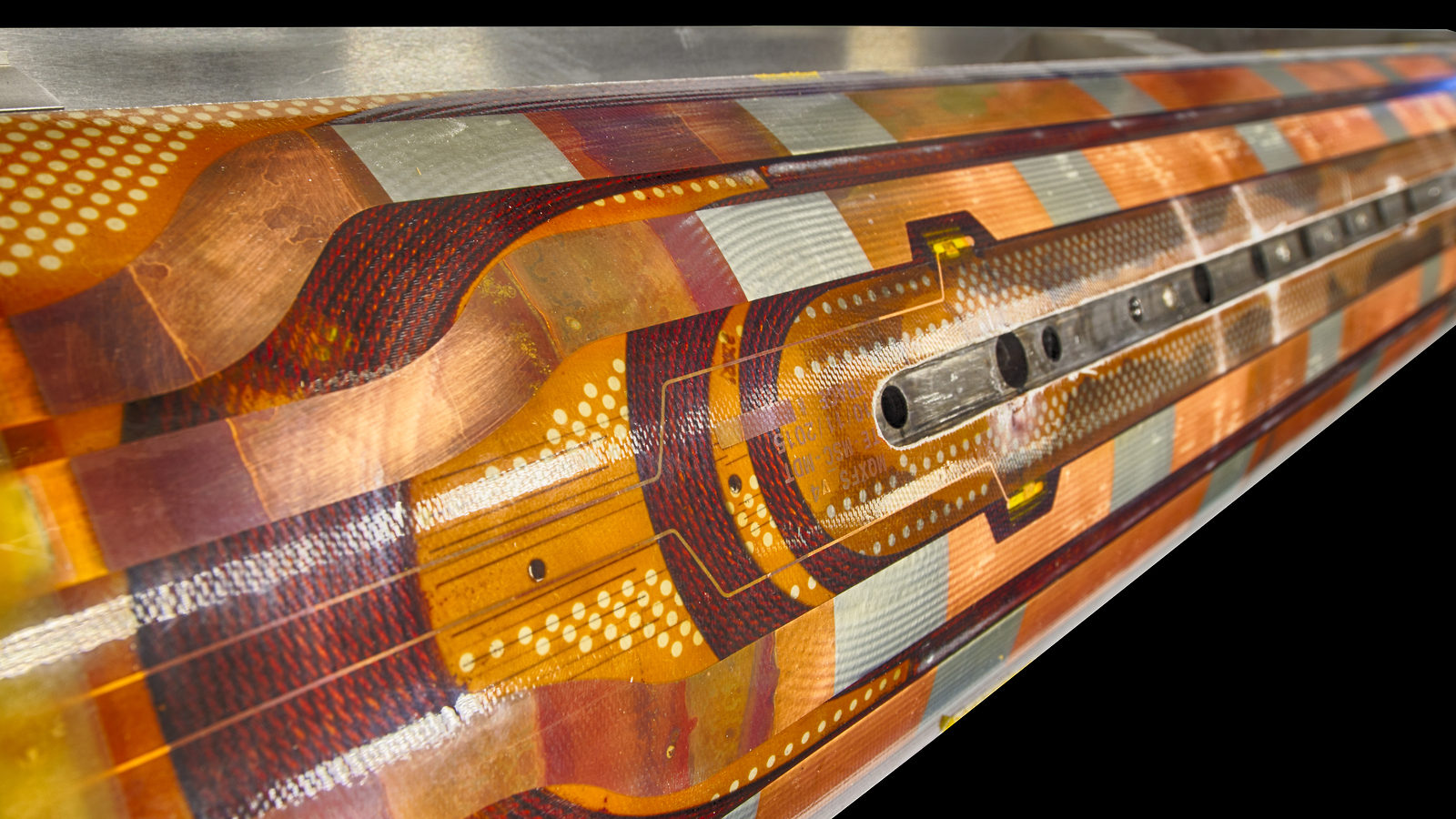
A partnership between three national U.S. laboratories and CERN to upgrade the LHC has yielded the strongest accelerator magnet ever created.
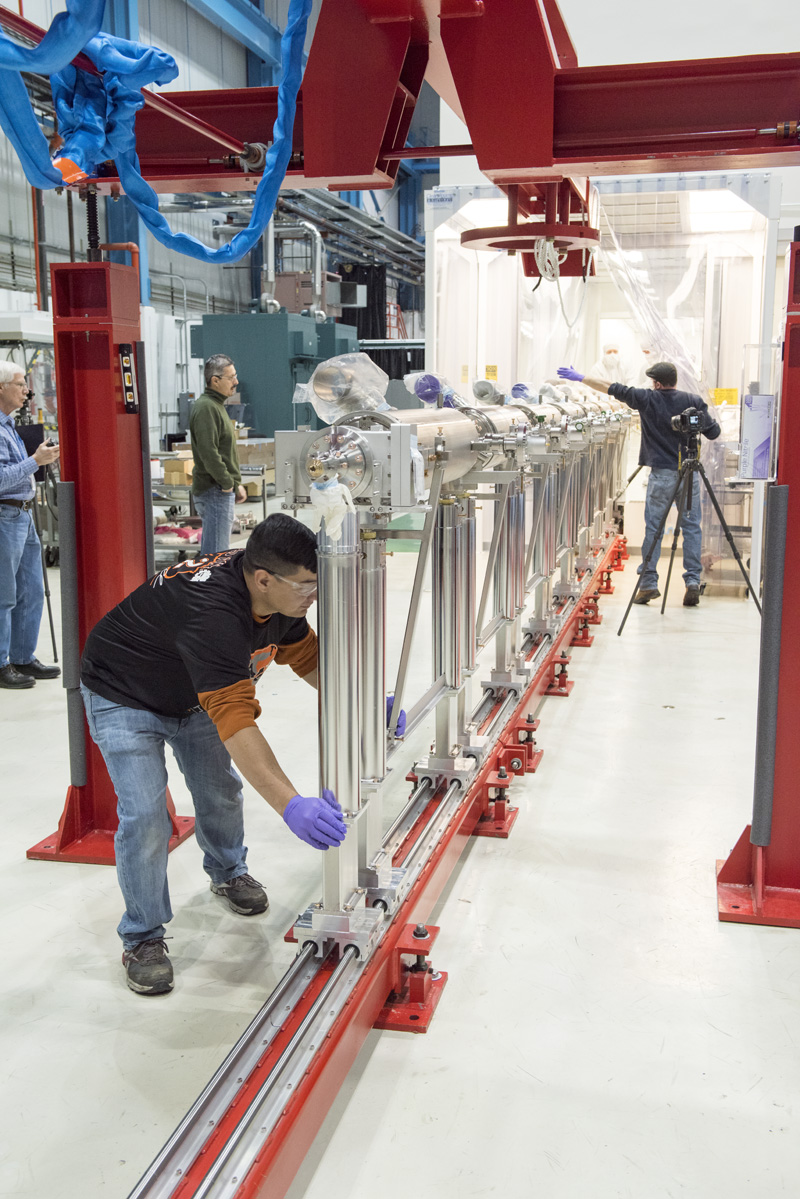
The first cryomodule for SLAC’s future light source, LCLS-II, is on schedule to be delivered at the end of the year.

Learn some particle accelerator basics from a Fermilab accelerator operator.

I’d worked at the campus particle accelerator lab all four years of college and had built a couple particle accelerators at home. I brought my own cyclotron to my interview here. I think they hired me to keep an eye on me.
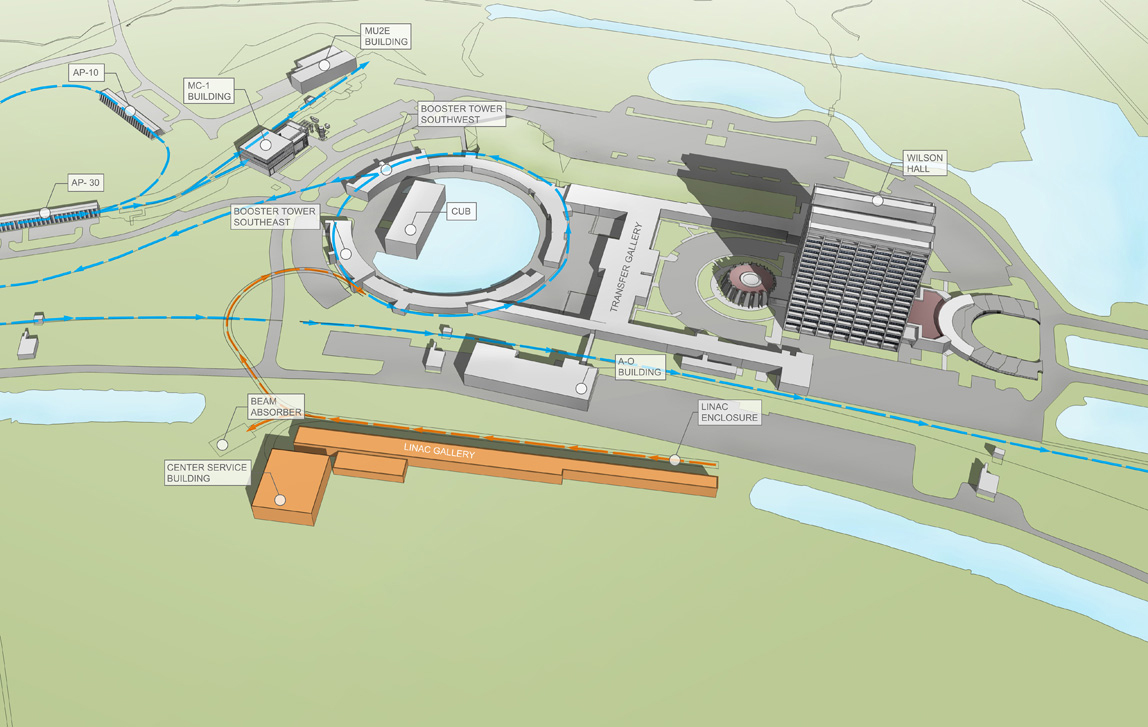
The Proton Improvement Plan II, or PIP-II, is a proposed project to improve Fermilab’s particle accelerator complex with a major hardware overhaul and a powerful boost in its capabilities.
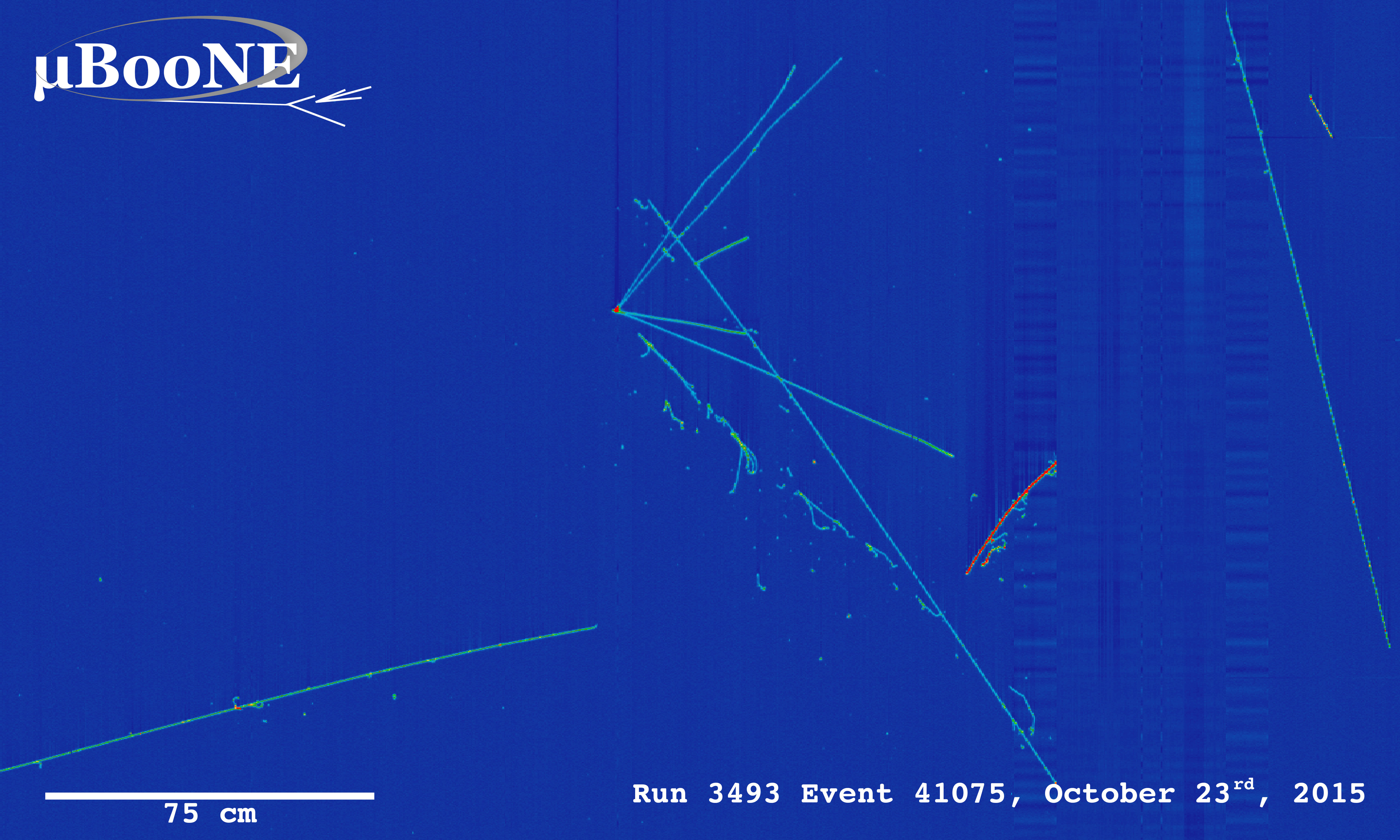
The MicroBooNE collaboration announced that it has seen its first neutrinos in the experiment’s newly built detector.
The Department of Energy’s Fermi National Accelerator Laboratory in Batavia, Ill., today announced the signing of a new Memorandum of Understanding with four Indian institutions.