Complex complexes
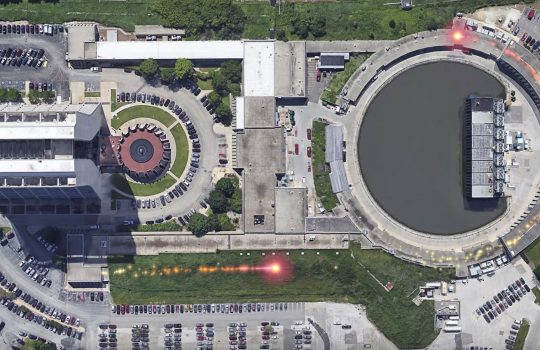
These two-minute animations break down the accelerator systems at Fermilab and CERN.

81 - 90 of 103 results
These two-minute animations break down the accelerator systems at Fermilab and CERN.
From Tecnomania, March 21, 2018: Esta animación muestra sobre unas bonitas imágenes aéreas el funcionamiento de los aceleradores de partículas del Fermilab –nombre coloquial del Laboratorio Nacional Fermi– que se construyó en 1967 en Illinois (Estados Unidos) hace ya la friolera de más de 50 años. Actualmente lo están «actualizando» y ampliando para llevar a cabo nuevos experimentos.
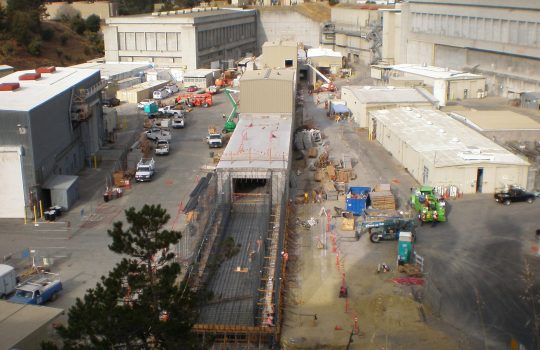
Planning the next big science machine requires consideration of both the current landscape and the distant future.

IARC’s compact linear accelerator seeks new ways to use electron beams in industry.
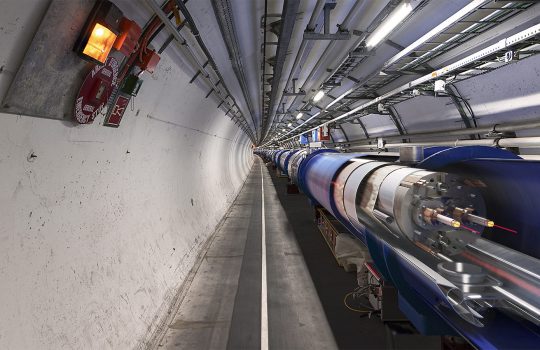
The beam pipes of the LHC need to be so clean, even air molecules count as dirt.
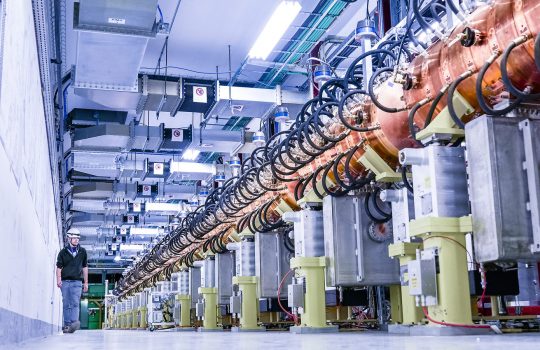
Linac 4 will replace an older accelerator as the first step in the complex that includes the LHC.
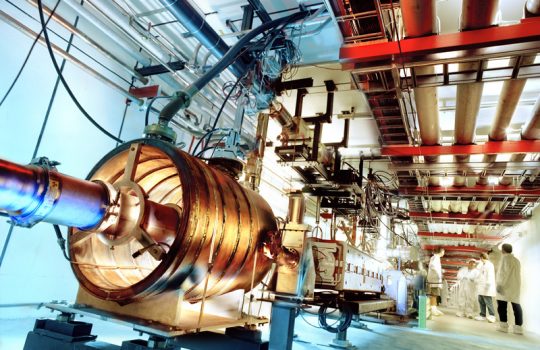
Years of work upgrading the accelerator have made it possible to achieve the high beam power needed to produce neutrinos — the most elusive of nature’s known particles — by the truckload.
From the National Science Foundation, Sept. 26, 2016: The awardees include the Center for Bright Beams at Cornell University, in which Fermilab is a partner. The center’s goal is to make more intense accelerators at a lower cost.
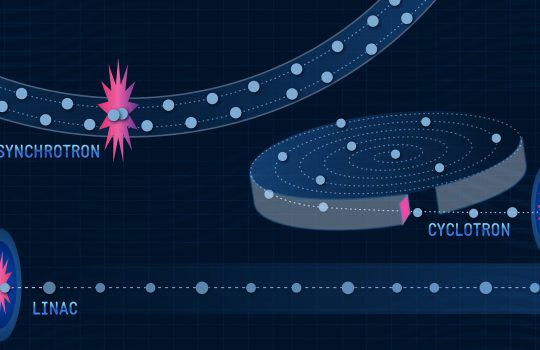
What’s the difference between a synchrotron and a cyclotron, anyway?
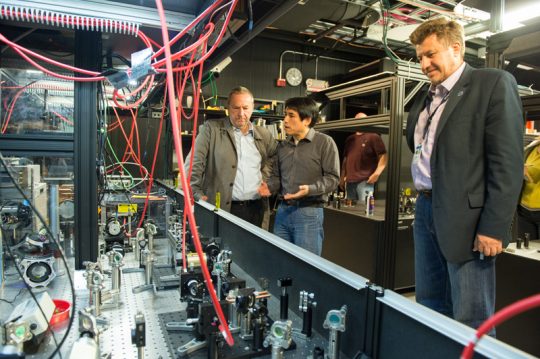
The delivery of 50-MeV beam is the first step in establishing an accelerator R&D facility that will serve as one of America’s leading test beds for cutting-edge, record-high-intensity particle beam research.