1511 - 1520 of 1785 results
Low-mass particles that make high-mass stars go boom
Simulations are key to showing how neutrinos help stars go supernova.
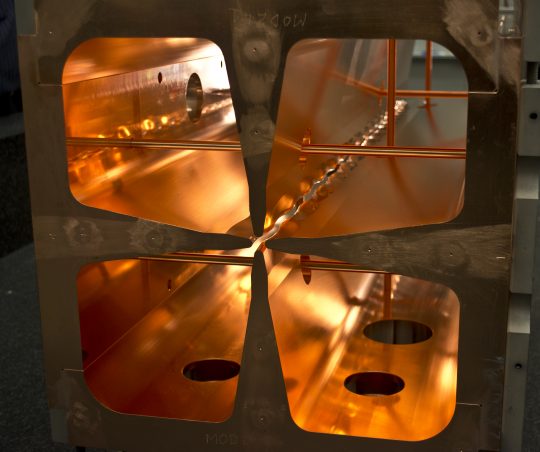
Upgraded PIP-II RFQ successfully takes first beam
A new radio-frequency quadrupole, designed and built by Lawrence Berkeley National Laboratory, will help provide intense, focused beams to the entire Fermilab accelerator complex.
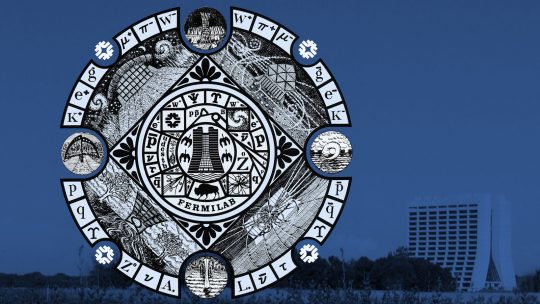
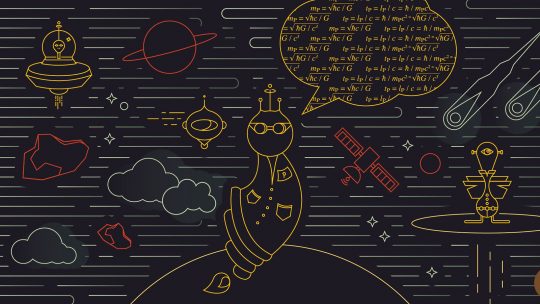
The Planck scale
The Planck scale sets the universe’s minimum limit, beyond which the laws of physics break.
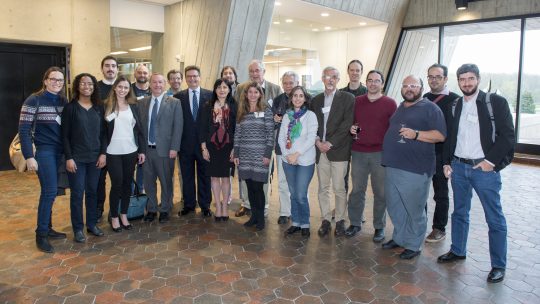
Brazil in Batavia: How a timely invitation sparked 30 years of partnership
The Brazilian user community at Fermilab consists of nearly 80 researchers from 15 institutions working across 13 different projects and experiments.
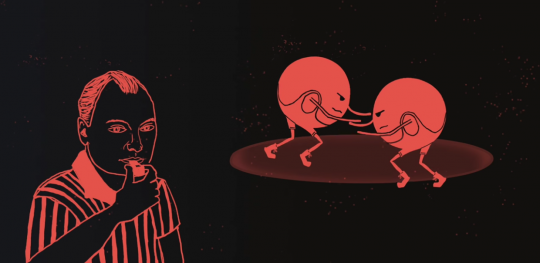
Why do objects feel solid?
A reader asks, “If atoms are mostly empty space, then why does anything feel solid?” James Beacham, a researcher with the ATLAS Experiment Group at Ohio State University, explains in this two-minute video.
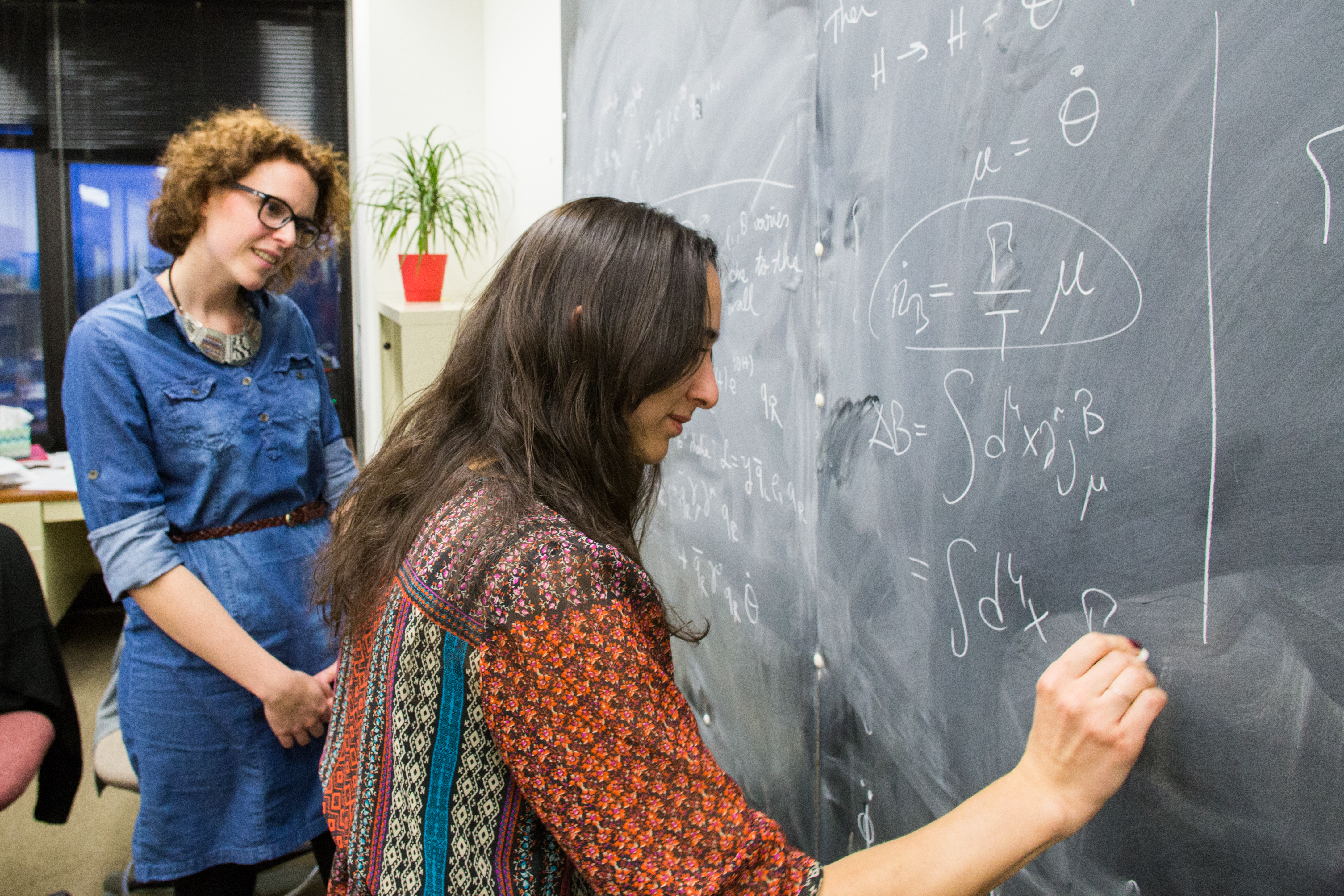
What do theorists do?
Theorists map and navigate the sea of possible particle discoveries.

Mommy, Daddy, where does mass come from?
The Higgs field gives mass to elementary particles, but most of our mass comes from somewhere else.
Higgs Bison or Niels Bohrson? Twitter offers names for Fermilab’s baby bison
From Nature, April 29, 2016: A request to christen the newborn animal kicks off a flurry of physics puns.