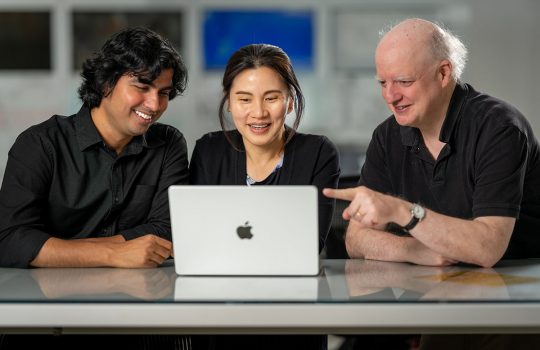
DUNE uses AI to transform the future of neutrino research
DUNE is pioneering the future of neutrino research by integrating artificial intelligence into its experiment, drawing on decades of machine learning work at Fermilab.
1 - 10 of 556 results
DUNE is pioneering the future of neutrino research by integrating artificial intelligence into its experiment, drawing on decades of machine learning work at Fermilab.
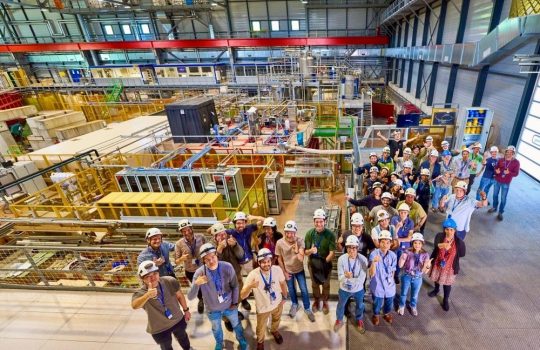
A prototype for the world’s biggest neutrino experiment is running under extreme conditions to see how well the technology performs under pressure.
South Dakota Public Broadcasting, July 11, 2026
Each year for Neutrino Day, SDPB hosts a special live broadcast a mile underground. This year, SDPB spoke with Mike Headley, SURF laboratory director, Dr. Sowjanya Gollapinni, senior scientist for Deep Underground Neutrino Experiment and others about DUNE and Neutrino Day events in Lead, SD.
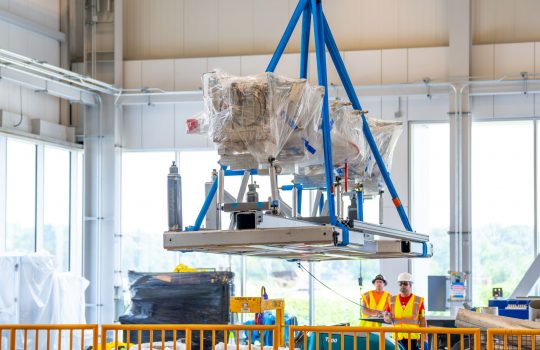
Fermilab crews have successfully placed the first beamline component in the tunnel that will house the powerful new PIP-II linear accelerator, marking a major milestone for the lab’s future neutrino research program.
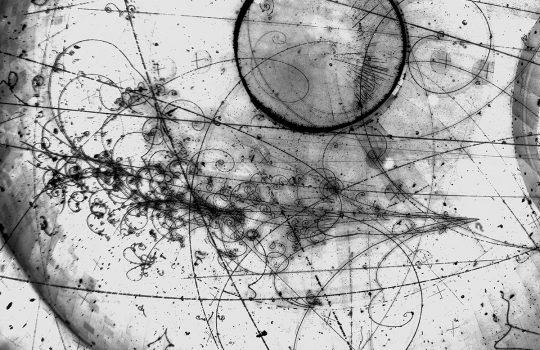
As Fermilab commemorates 70 years since the discovery of the neutrino at the Savannah River Site in the United States, the lab also celebrates its multiple generations of pioneering neutrino research. Today, Fermilab is building the next era of neutrino discovery through the development of the world-leading Deep Underground Neutrino Experiment.
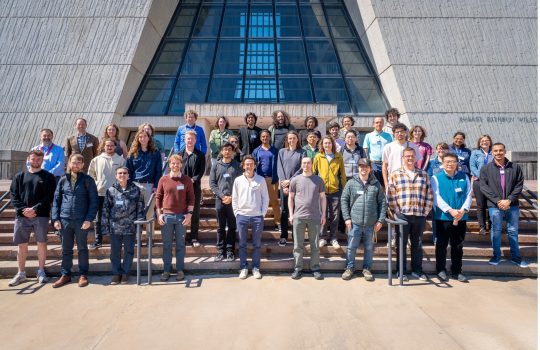
Fermilab hosted the inaugural DUNE Data Analysis School, organized through the lab’s Neutrino Physics Center. The school brought together early-career researchers for intensive training in the software and analysis tools needed to perform physics analyses for the upcoming Deep Underground Neutrino Experiment. The program marks a major step in preparing the scientific workforce for DUNE and is expected to become a recurring training initiative.
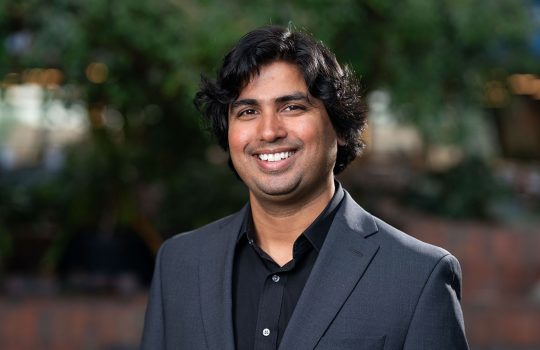
Pandey’s term as co-spokesperson of NuSTEC will focus on advancing higher levels of precision for the next generation of neutrino experiments, including the Deep Underground Neutrino Experiment, an international collaboration hosted by Fermilab.

Currently, NOvA is Fermilab’s leading long-baseline neutrino experiment. Cremonesi is now co-leading the international collaboration of scientists behind it.
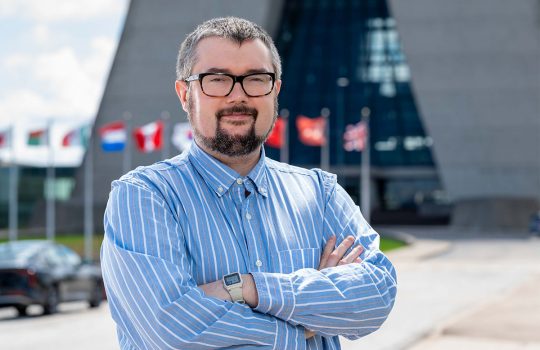
MicroBooNE, with its large neutrino detector at Fermilab, has wrapped up the data-collecting phase and will continue to conduct analysis under fresh leadership.